
A Room of One's Own
English
A Room of One's Own · English, Project Gutenberg Australia (ebook 0200791h)
LeerVirginia Woolf · 1929
Una narradora cruza un césped de Cambridge, la puerta de una biblioteca y una mesa de almuerzo, y se pregunta qué necesita una mujer para escribir.
Invitada a hablar de «las mujeres y la novela», Virginia Woolf responde con un relato en lugar de una tesis: una narradora anónima es expulsada del césped de un colegio, se le niega la entrada a una biblioteca y saca sus conclusiones de lo que ve. Su afirmación es sencilla: una mujer debe tener dinero y una habitación propia para escribir ficción. Hogarth Press publicó el libro en 1929, un año después de las dos conferencias de Cambridge de las que nació.
No hay una traducción publicada en el idioma de esta interfaz. Puedes leer el original u otra edición disponible.
Leer · English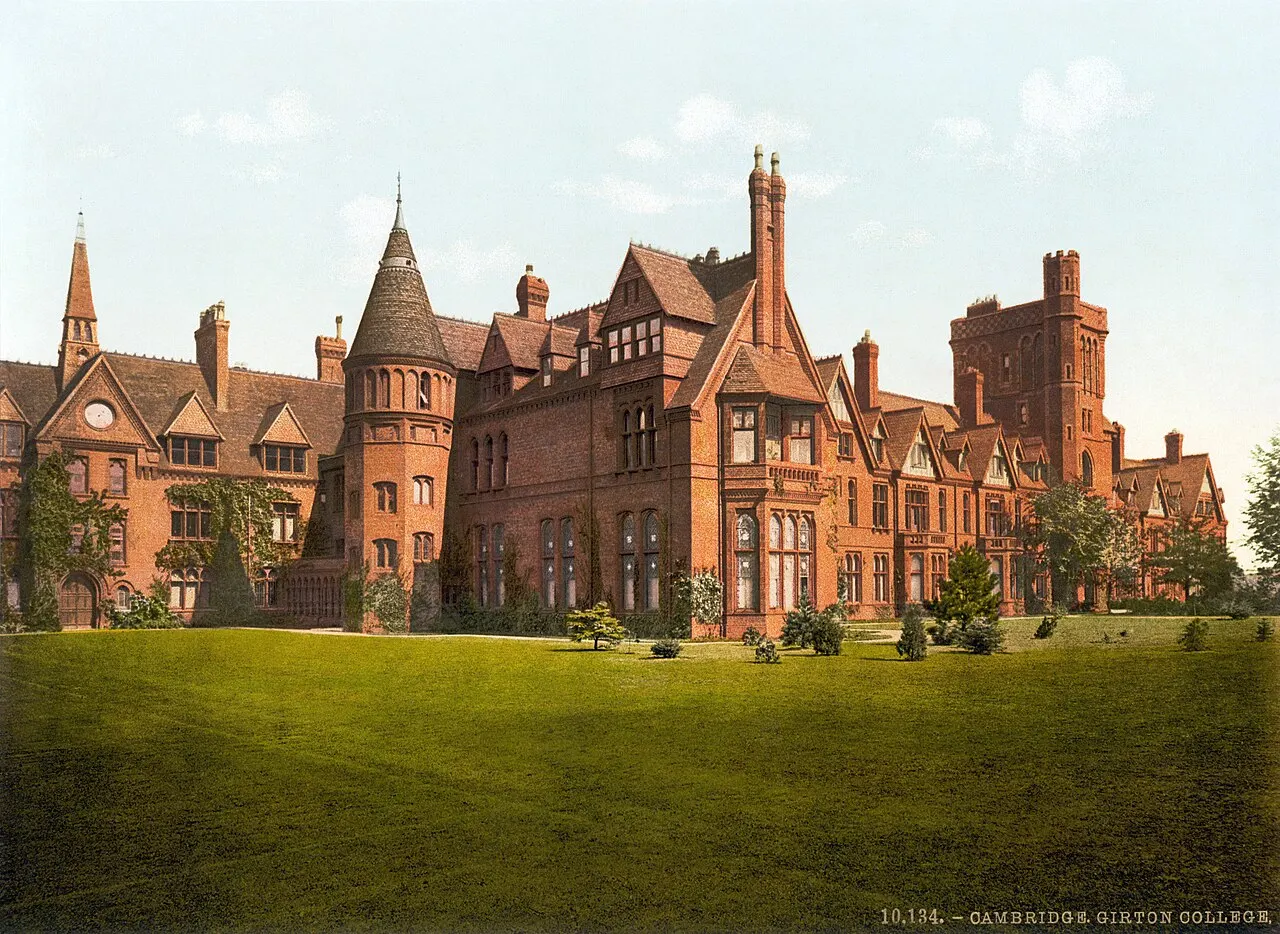
A Room of One’s Own is an essay that behaves like a novel. Woolf was asked to speak about women and fiction, and she invented a narrator, “Mary Beton, Mary Seton, Mary Carmichael or by any name you please,” who walks, lunches, consults a library catalogue and thinks aloud. It still reads as alive because the question under the stroll has not gone away: who gets the time, money and quiet to make things, and who is told that talent alone is enough? Its famous requirement, money and a room of one’s own, is a sentence about material conditions, and it is argued with wit rather than grievance.
Woolf refused the lecture’s usual form. Instead of marshalling evidence for a thesis, she dramatises the search for one and lets the narrator contradict herself and admit she has no final answer. Her best-known invention is Judith Shakespeare, a fictional sister of William with equal gifts, used to show what a woman of that era would have met on the way to the stage. The book is still argued over: Alice Walker, in In Search of Our Mothers’ Gardens, objected that its conditions leave out Black women, and critics still debate Woolf’s idea of the androgynous mind. The fan-fiction site Archive of Our Own took its name from the essay.
Notice how the argument travels. Across six chapters it moves by scene rather than by proof: a lawn, a library door, a meal at a men’s college and a meal at a women’s one, a shelf of books about women written by men. Watch how often Woolf turns a figure or a bill into an image, and how lightly she leaves a serious point once it has landed. Read slowly enough to catch the jokes; they are part of the case, not relief from it, and the shape of the whole is closer to a walk than to a lecture.
Introducción redactada para LitMundi con ayuda de IA y contrastada con las fuentes que se indican abajo.
La disponibilidad de traducciones sigue en estudio. Un borrador no demuestra que no exista una traducción.
← Volver a la colección