
A Room of One's Own
English
A Room of One's Own · English, Project Gutenberg Australia (ebook 0200791h)
ReadVirginia Woolf · 1929
A narrator wanders a Cambridge lawn, a library door and a lunch table, and asks what it would take for a woman to write.
Invited to speak on “Women and Fiction,” Virginia Woolf answers with a story instead of a thesis: an unnamed narrator is turned off a college lawn and refused entry to a library, and draws her conclusions from what she sees. Her claim is plain: a woman must have money and a room of her own if she is to write fiction. Hogarth Press published the book in 1929, a year after the two Cambridge talks it grew from.
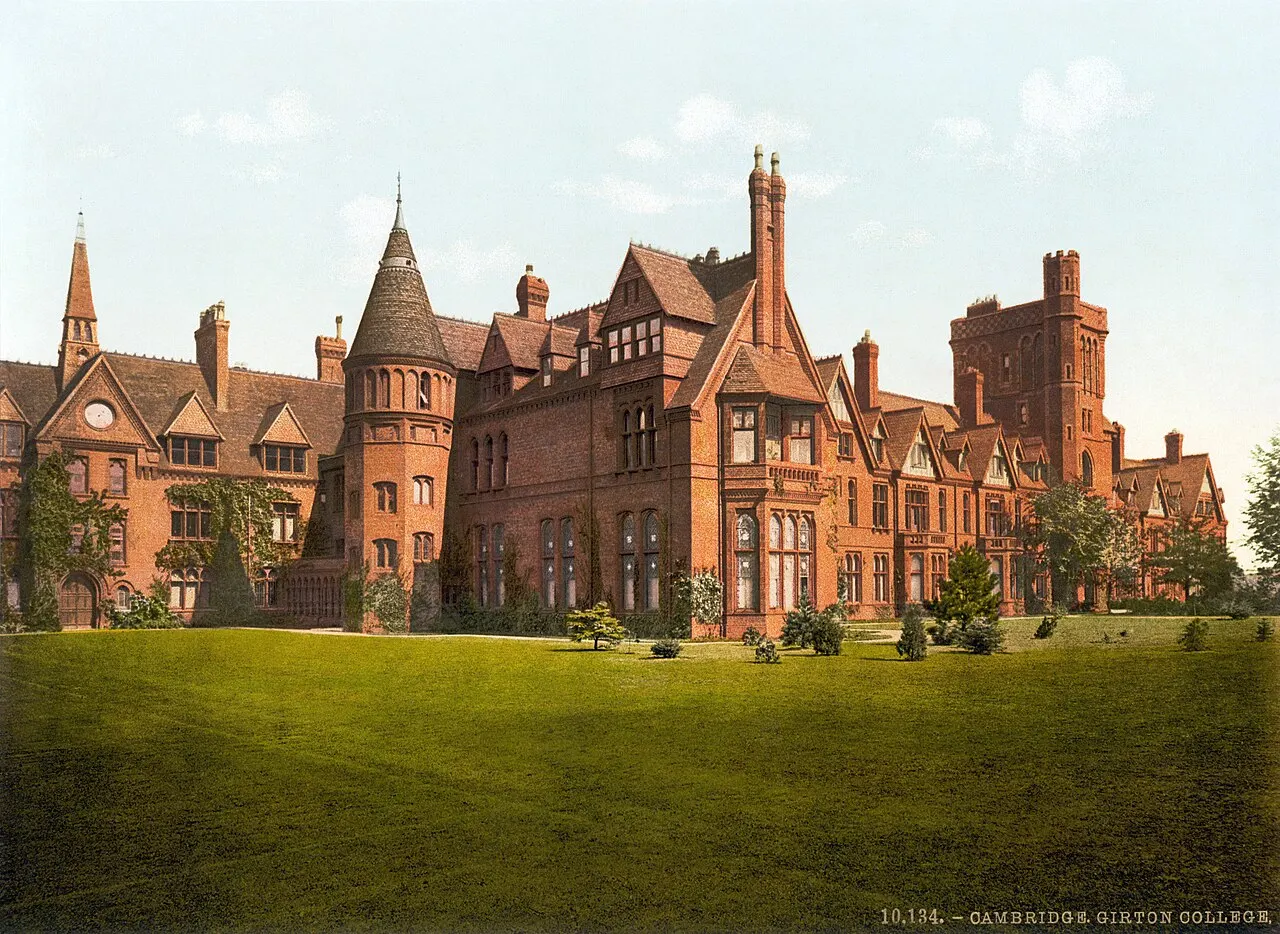
A Room of One’s Own is an essay that behaves like a novel. Woolf was asked to speak about women and fiction, and she invented a narrator, “Mary Beton, Mary Seton, Mary Carmichael or by any name you please,” who walks, lunches, consults a library catalogue and thinks aloud. It still reads as alive because the question under the stroll has not gone away: who gets the time, money and quiet to make things, and who is told that talent alone is enough? Its famous requirement, money and a room of one’s own, is a sentence about material conditions, and it is argued with wit rather than grievance.
Woolf refused the lecture’s usual form. Instead of marshalling evidence for a thesis, she dramatises the search for one and lets the narrator contradict herself and admit she has no final answer. Her best-known invention is Judith Shakespeare, a fictional sister of William with equal gifts, used to show what a woman of that era would have met on the way to the stage. The book is still argued over: Alice Walker, in In Search of Our Mothers’ Gardens, objected that its conditions leave out Black women, and critics still debate Woolf’s idea of the androgynous mind. The fan-fiction site Archive of Our Own took its name from the essay.
Notice how the argument travels. Across six chapters it moves by scene rather than by proof: a lawn, a library door, a meal at a men’s college and a meal at a women’s one, a shelf of books about women written by men. Watch how often Woolf turns a figure or a bill into an image, and how lightly she leaves a serious point once it has landed. Read slowly enough to catch the jokes; they are part of the case, not relief from it, and the shape of the whole is closer to a walk than to a lecture.
Introduction written for LitMundi with AI assistance and checked against the sources listed below.
Translation availability is still being researched. A draft is not evidence that no translation exists.
← Back to collection