
A Room of One's Own
English
A Room of One's Own · English, Project Gutenberg Australia (ebook 0200791h)
LireVirginia Woolf · 1929
Une narratrice traverse une pelouse de Cambridge, la porte d’une bibliothèque, une table de déjeuner, et demande ce qu’il faut à une femme pour écrire.
Invitée à parler des « femmes et du roman », Virginia Woolf répond par un récit plutôt que par une thèse : une narratrice anonyme est chassée d’une pelouse de collège, se voit refuser l’entrée d’une bibliothèque, et tire ses conclusions de ce qu’elle voit. Sa thèse est simple : une femme doit disposer d’argent et d’une chambre à elle pour écrire de la fiction. Le livre parut chez Hogarth Press en 1929, un an après les deux conférences de Cambridge dont il est issu.
Aucune traduction publiée dans la langue de cette interface. Vous pouvez lire l’original ou une autre édition disponible.
Lire · English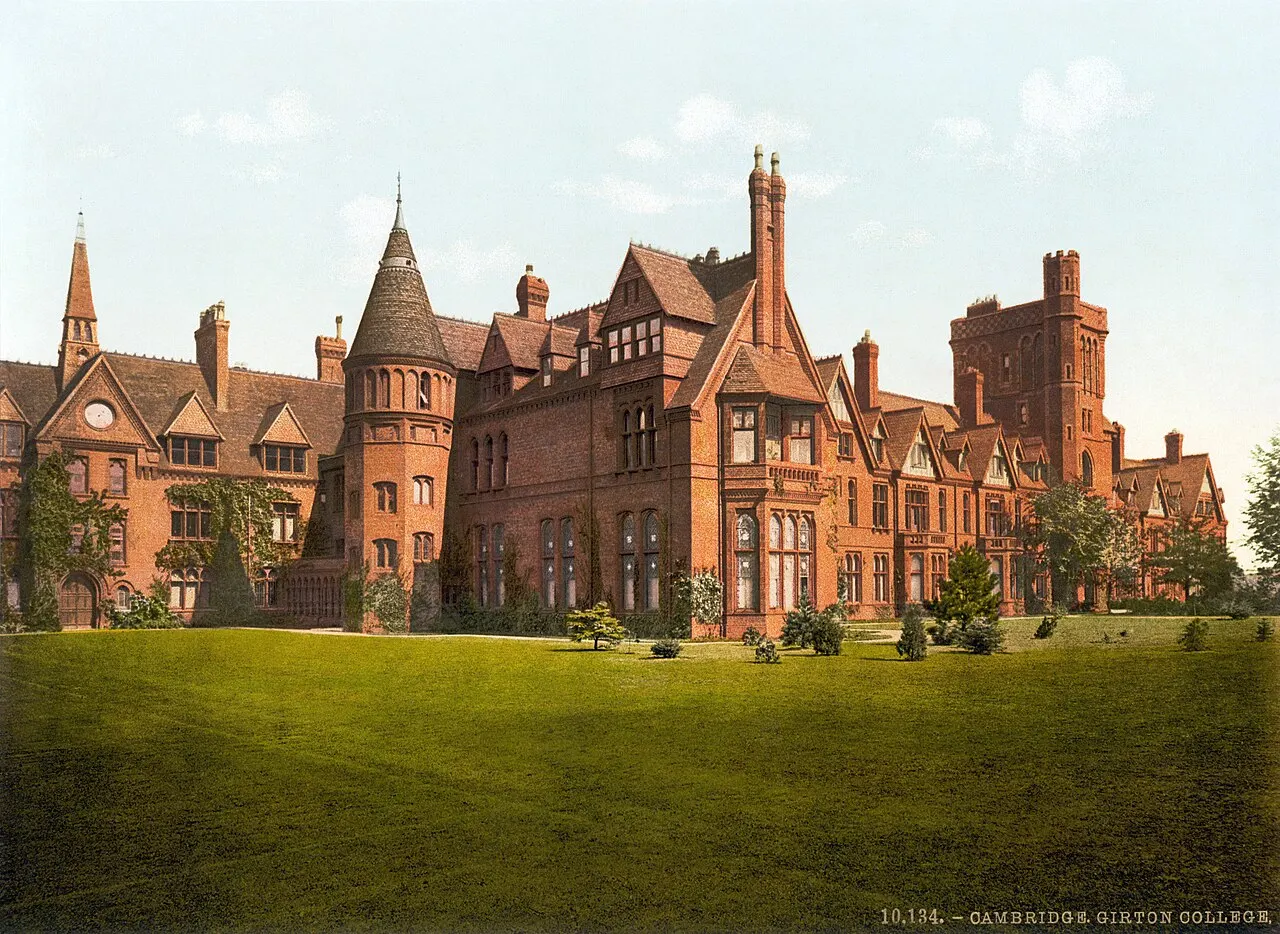
A Room of One’s Own is an essay that behaves like a novel. Woolf was asked to speak about women and fiction, and she invented a narrator, “Mary Beton, Mary Seton, Mary Carmichael or by any name you please,” who walks, lunches, consults a library catalogue and thinks aloud. It still reads as alive because the question under the stroll has not gone away: who gets the time, money and quiet to make things, and who is told that talent alone is enough? Its famous requirement, money and a room of one’s own, is a sentence about material conditions, and it is argued with wit rather than grievance.
Woolf refused the lecture’s usual form. Instead of marshalling evidence for a thesis, she dramatises the search for one and lets the narrator contradict herself and admit she has no final answer. Her best-known invention is Judith Shakespeare, a fictional sister of William with equal gifts, used to show what a woman of that era would have met on the way to the stage. The book is still argued over: Alice Walker, in In Search of Our Mothers’ Gardens, objected that its conditions leave out Black women, and critics still debate Woolf’s idea of the androgynous mind. The fan-fiction site Archive of Our Own took its name from the essay.
Notice how the argument travels. Across six chapters it moves by scene rather than by proof: a lawn, a library door, a meal at a men’s college and a meal at a women’s one, a shelf of books about women written by men. Watch how often Woolf turns a figure or a bill into an image, and how lightly she leaves a serious point once it has landed. Read slowly enough to catch the jokes; they are part of the case, not relief from it, and the shape of the whole is closer to a walk than to a lecture.
Présentation rédigée pour LitMundi avec l’aide de l’IA et vérifiée d’après les sources ci-dessous.
La disponibilité des traductions reste à étudier. Un brouillon ne prouve pas l’absence d’une traduction.
← Retour à la collection