
The Picture of Dorian Gray
English
The Picture of Dorian Gray · English, Project Gutenberg #174
LeerOscar Wilde · 1890
Un joven desea que su retrato envejezca en su lugar y luego pasa dieciocho años probando lo que ese deseo le permite.
El retrato de Dorian Gray, la única novela de Oscar Wilde, apareció primero en una versión más breve en Lippincott’s Monthly Magazine en julio de 1890; la versión de extensión novelística siguió en abril de 1891. En el Londres victoriano, el pintor Basil Hallward retrata al bello Dorian Gray, y las palabras hedonistas de Lord Henry Wotton llevan a Dorian a desear que el cuadro envejezca en su lugar. El deseo se cumple y el cuadro registra cada pecado.
No hay una traducción publicada en el idioma de esta interfaz. Puedes leer el original u otra edición disponible.
Leer · English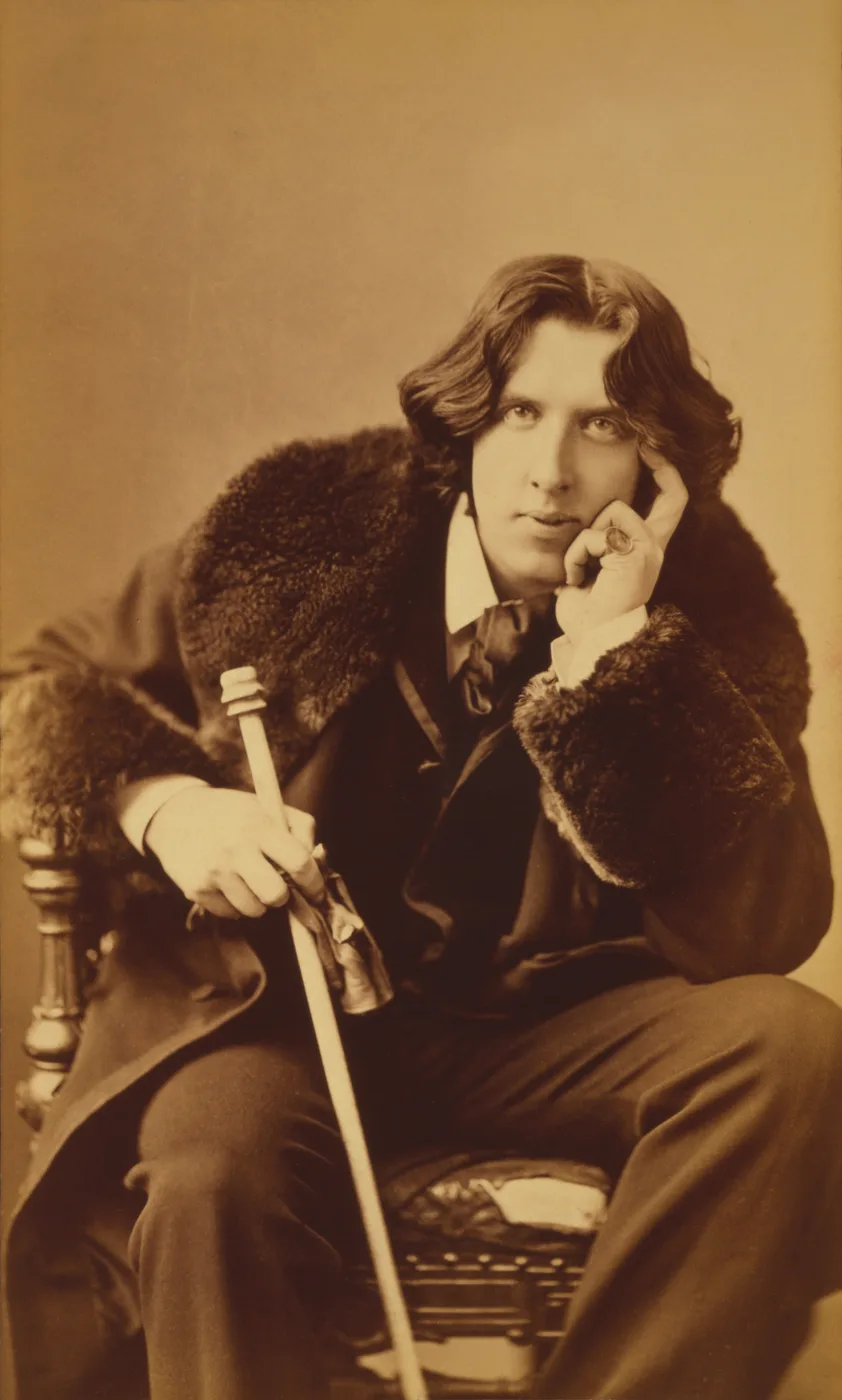
The Picture of Dorian Gray is Oscar Wilde’s only novel. Wikipedia describes it as a philosophical fiction and Gothic horror novel: a shorter version ran in Lippincott’s Monthly Magazine in July 1890, and the novel-length version was published in April 1891. The painter Basil Hallward portrays Dorian Gray, a young man of great beauty. Through Basil, Dorian meets Lord Henry Wotton, whose view is that beauty and sensual fulfilment are the only things worth pursuing. Dorian wishes that the portrait would age instead of him. The wish is granted, and for eighteen years he tries every vice while the picture records them. The Guardian listed the book among the 100 best novels ever written in English.
Much of its reputation rests on how it was made and received. The editor of Lippincott’s, J. M. Stoddart, deleted around five hundred words before publication, including passages alluding to homosexual desire. For the 1891 book Wilde expanded the text from thirteen to twenty chapters and added a preface of epigrams that became famous as a manifesto for art for art’s sake. The book met significant controversy on publication, and Wilde was questioned about it at his 1895 trials. The original typescript, with the deleted words, was published in an annotated edition by the Belknap Press in 2011.
Notice how often the novel is about looking: Basil paints, Lord Henry talks, and Dorian watches the picture change. Notice also that Lord Henry’s philosophy corrupts Dorian, while Lord Henry himself seems to take no consequences from his own advice. Content note: the book contains a murder, two suicides, opium-den scenes and Dorian’s cruelty to a young actress, Sibyl Vane, who dies; none of it is shown graphically. Its homoerotic undertone, softened in the 1891 edits, is part of the story’s history. This page uses the 1882 Sarony portrait of Wilde, not an illustration of the book. The English text on this site is Project Gutenberg’s ebook no. 174.
Introducción redactada para LitMundi con ayuda de IA y contrastada con las fuentes que se indican abajo.
La disponibilidad de traducciones sigue en estudio. Un borrador no demuestra que no exista una traducción.
← Volver a la colección