
The Picture of Dorian Gray
English
The Picture of Dorian Gray · English, Project Gutenberg #174
ReadOscar Wilde · 1890
A young man wishes that his portrait would age in his place, then spends eighteen years testing what that wish allows.
The Picture of Dorian Gray, Oscar Wilde’s only novel, first appeared as a shorter version in Lippincott’s Monthly Magazine in July 1890; the novel-length version followed in April 1891. In Victorian London, the painter Basil Hallward portrays the beautiful Dorian Gray, and Lord Henry Wotton’s hedonistic talk leads Dorian to wish that the portrait would age instead of him. The wish comes true, and the picture records every sin.
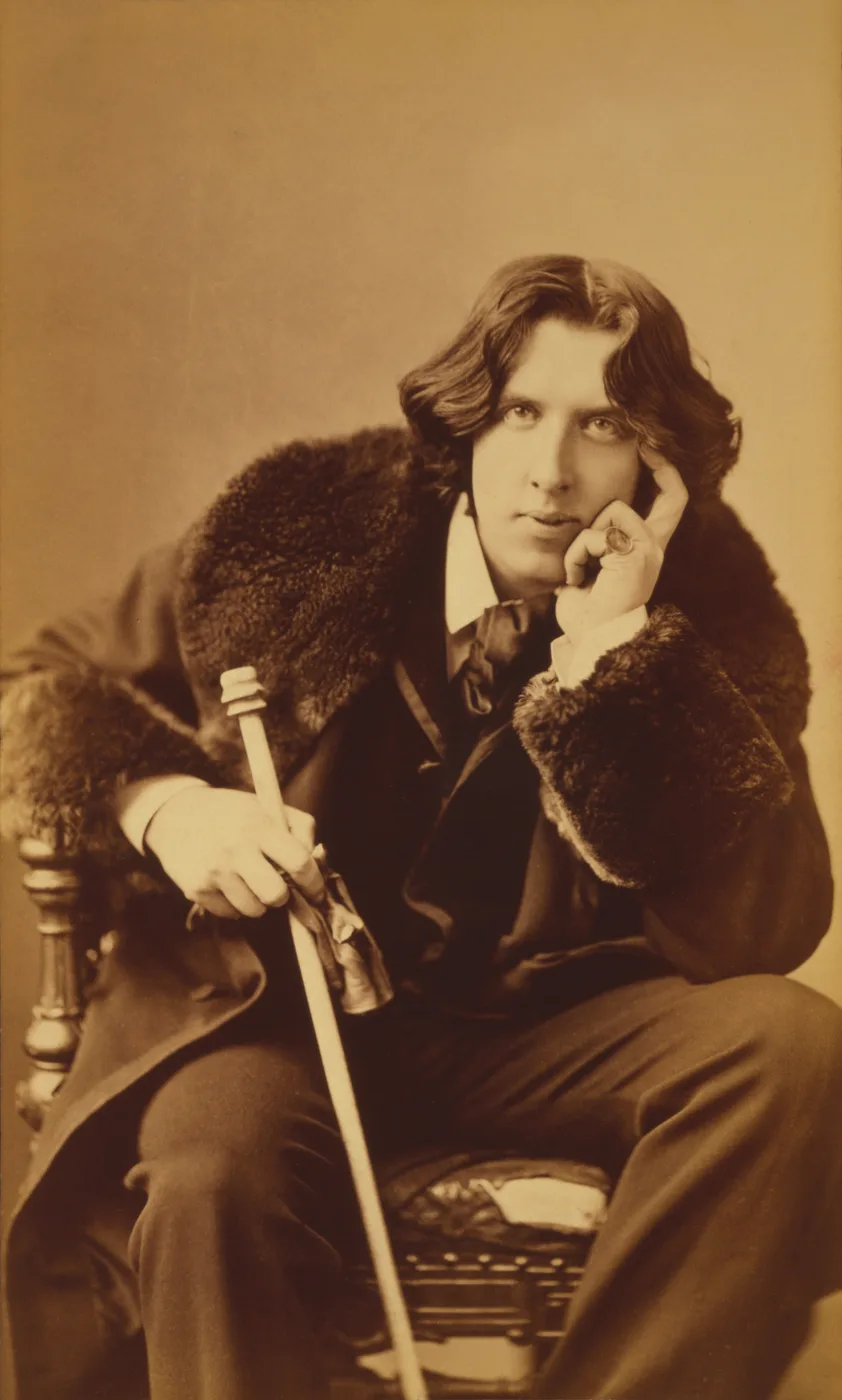
The Picture of Dorian Gray is Oscar Wilde’s only novel. Wikipedia describes it as a philosophical fiction and Gothic horror novel: a shorter version ran in Lippincott’s Monthly Magazine in July 1890, and the novel-length version was published in April 1891. The painter Basil Hallward portrays Dorian Gray, a young man of great beauty. Through Basil, Dorian meets Lord Henry Wotton, whose view is that beauty and sensual fulfilment are the only things worth pursuing. Dorian wishes that the portrait would age instead of him. The wish is granted, and for eighteen years he tries every vice while the picture records them. The Guardian listed the book among the 100 best novels ever written in English.
Much of its reputation rests on how it was made and received. The editor of Lippincott’s, J. M. Stoddart, deleted around five hundred words before publication, including passages alluding to homosexual desire. For the 1891 book Wilde expanded the text from thirteen to twenty chapters and added a preface of epigrams that became famous as a manifesto for art for art’s sake. The book met significant controversy on publication, and Wilde was questioned about it at his 1895 trials. The original typescript, with the deleted words, was published in an annotated edition by the Belknap Press in 2011.
Notice how often the novel is about looking: Basil paints, Lord Henry talks, and Dorian watches the picture change. Notice also that Lord Henry’s philosophy corrupts Dorian, while Lord Henry himself seems to take no consequences from his own advice. Content note: the book contains a murder, two suicides, opium-den scenes and Dorian’s cruelty to a young actress, Sibyl Vane, who dies; none of it is shown graphically. Its homoerotic undertone, softened in the 1891 edits, is part of the story’s history. This page uses the 1882 Sarony portrait of Wilde, not an illustration of the book. The English text on this site is Project Gutenberg’s ebook no. 174.
Introduction written for LitMundi with AI assistance and checked against the sources listed below.
Translation availability is still being researched. A draft is not evidence that no translation exists.
← Back to collection