
La Mare au Diable
Français
La Mare au Diable · French, Project Gutenberg #23582
LeerGeorge Sand · 1846
El Berry, década de 1840: un labrador viudo va a cortejar a una viuda rica y por el camino se enamora de una joven de dieciséis años.
La Mare au Diable (La charca del diablo, 1846), de George Sand, es la primera de sus cuatro novelas pastorales. Germain, un labrador viudo de veintiocho años y con tres hijos, es instado por su suegro a volver a casarse y parte a conocer a una viuda acomodada, llevando consigo a Marie, de dieciséis años, que va a un nuevo empleo. Una noche junto a la charca del título cambia lo que desea. Sand cuenta que el libro nació de un grabado de Holbein sobre un labrador y de una escena vista en tiempo de siembra.
No hay una traducción publicada en el idioma de esta interfaz. Puedes leer el original u otra edición disponible.
Leer · Français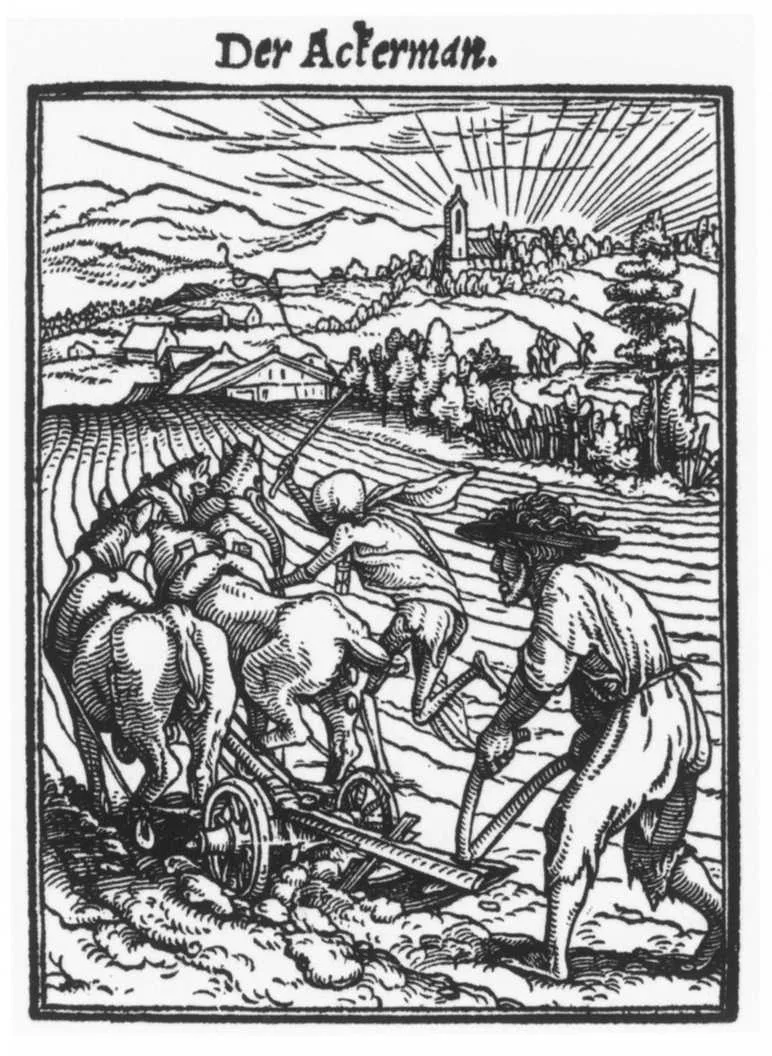
La Mare au Diable (The Devil’s Pool) is an 1846 novel by George Sand, the first of four pastoral novels she based on her childhood countryside; the others are François le Champi, La Petite Fadette and Les Beaux Messieurs de Bois-Doré. Its plot is small: a widowed farmer, his three children, an elderly father-in-law, a journey of half a day and a night spent on the way. Sand herself says she wanted to do something “very touching and very simple”. It stays alive because a plain story told with that much attention to work, weather and manners reads as freshly now as it did to her first readers, and because Wikipedia notes it has been translated into English seven times, more than any other Sand novel.
Sand was already known for passionate, socially daring novels such as Indiana and Lélia when she turned to peasant life. In the opening chapter, addressed to the reader, she describes Holbein’s engraving of a ploughman, with Death cracking a whip beside his horses, and argues that art’s task is feeling and love, not terror. Chapter two begins with her walking through the fields after studying that ploughman. In a later preface she says the engraving and a real scene she saw at sowing time are all that prompted the story. Wikipedia reports that the opening scene is supposed to have inspired Rosa Bonheur’s 1849 painting Ploughing in the Nivernais.
Notice how the book begins with a painting-like image of labour and only then turns to Germain, whose life is arranged by his elders in a quiet, practical way. Notice, too, how much the story is carried by ordinary things: the road, the heath, the oak trees, the evening prayer. Critics have also offered other readings; one, by James Hamilton, sees Marie as the novel’s central heroine. Content note: Marie is a young woman whom her employer is said to have tried to assault; this happens off the page and is not described, and the rest of the book is gentle and chaste.
Introducción redactada para LitMundi con ayuda de IA y contrastada con las fuentes que se indican abajo.
La disponibilidad de traducciones sigue en estudio. Un borrador no demuestra que no exista una traducción.
← Volver a la colección