
The Garden Party, and Other Stories
English
The Garden Party, and Other Stories · English, Project Gutenberg #1429
LireKatherine Mansfield · 1922
Quinze nouvelles où une fête au jardin, une fourrure ou le chapeau d’un père mort disent ce qu’on ne sait pas dire.
Le recueil de 1922 de Katherine Mansfield réunit quinze nouvelles, de « At the Bay », une journée d’été au bord de la mer en Nouvelle-Zélande, à « The Garden Party », où la fête d’une famille a lieu malgré la mort d’un voisin. D’autres suivent deux sœurs qui trient les affaires de leur père défunt, « The Daughters of the Late Colonel », et une femme seule au parc un dimanche, « Miss Brill ». Mansfield en écrivit plusieurs en Suisse, malade de tuberculose, et mourut en janvier suivant.
Aucune traduction publiée dans la langue de cette interface. Vous pouvez lire l’original ou une autre édition disponible.
Lire · English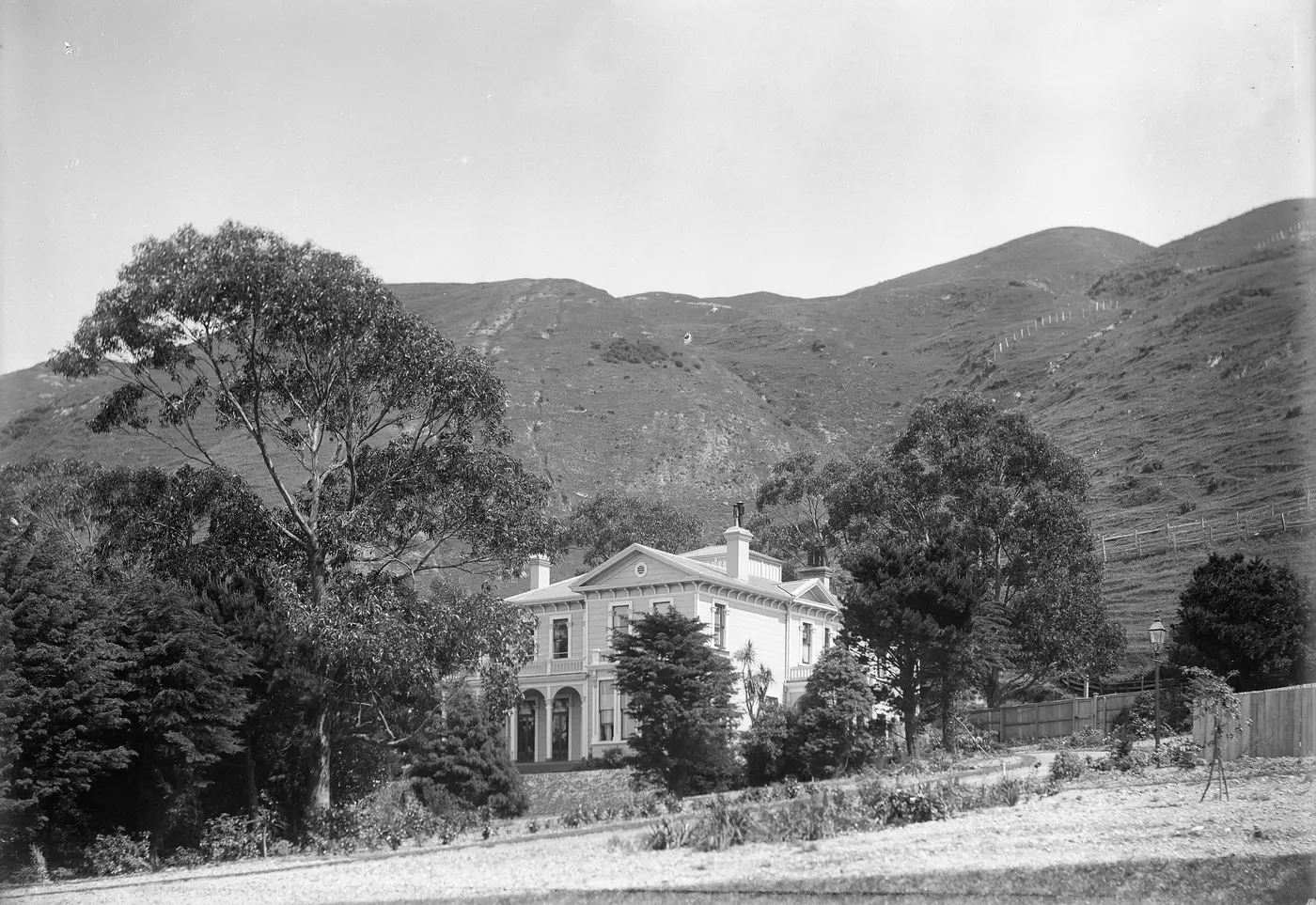
The Garden Party and Other Stories is a 1922 collection of fifteen stories by the New Zealand-born writer Katherine Mansfield. Project Gutenberg lists them in this order: “At the Bay”, “The Garden Party”, “The Daughters of the Late Colonel”, “Mr and Mrs Dove”, “The Young Girl”, “Life of Ma Parker”, “Marriage à la Mode”, “The Voyage”, “Miss Brill”, “Her First Ball”, “The Singing Lesson”, “The Stranger”, “Bank Holiday”, “An Ideal Family” and “The Lady’s Maid”. It is alive because a few pages of ordinary events, a party, a walk in a park, a sorting of a dead man’s things, are enough to show how people protect themselves from what they feel.
“At the Bay” first appeared in the London Mercury in January 1922 in twelve sections; the book printed it with a short coda that is now its thirteenth. Wikipedia says Mansfield wrote it, along with “The Garden Party”, at the Chalet des Sapins in Montana, Switzerland, in the productive months when she felt she did not have much time left. “The Garden Party” ran in the Saturday Westminster Gazette in February 1922, and its setting is based on her childhood home on Tinakori Road in Wellington. Wikipedia calls her one of the prime innovators of the short story form, and these stories are a main reason why.
Notice how the narration moves between minds: Laura in “The Garden Party” first imagines herself above the workmen, then feels kinship with them, then, catching sight of herself in a new hat, decides to forget the matter until the party is over. In “The Daughters of the Late Colonel”, two sisters cannot settle what to do with a top hat or a watch, and the objects show what they never say about their father. In “Miss Brill”, a fur is taken out cheerfully and put back in its box after a stranger’s remark. Content note: death, bereavement and cruelty recur, and “The Garden Party” includes a visit to a dead man’s house.
Présentation rédigée pour LitMundi avec l’aide de l’IA et vérifiée d’après les sources ci-dessous.
La disponibilité des traductions reste à étudier. Un brouillon ne prouve pas l’absence d’une traduction.
← Retour à la collection