
Narrative of the Life of Frederick Douglass, an American Slave
English
Narrative of the Life of Frederick Douglass · English, Project Gutenberg #23
LireFrederick Douglass · 1845
Né esclave sur la côte est du Maryland, un homme raconte comment il apprit à lire et ce que la lecture fit de lui.
Frederick Douglass, né esclave dans le comté de Talbot, dans le Maryland, raconte lui-même sa vie en onze chapitres brefs : séparé de sa mère, passé de maître en maître, initié à l’alphabet par une maîtresse puis privé d’en apprendre davantage. Publié à Boston en 1845, sept ans après son arrivée dans le Nord, le livre dit dans une prose simple et maîtrisée ce que l’esclavage fait aux esclaves comme à ceux qui les possèdent. Douglass le signa de son vrai nom, à une époque où ce n’était pas sans danger.
Aucune traduction publiée dans la langue de cette interface. Vous pouvez lire l’original ou une autre édition disponible.
Lire · English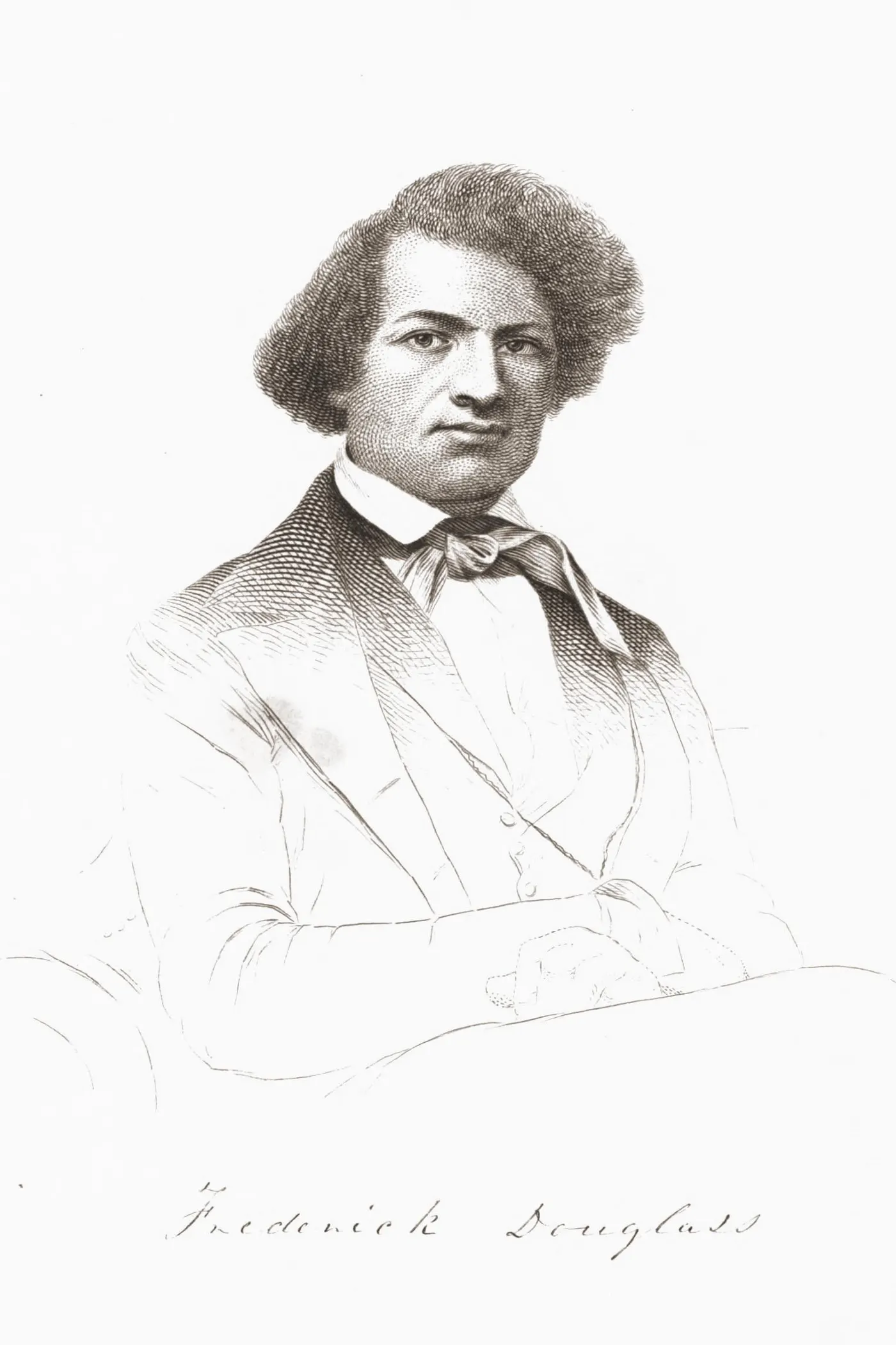
The Narrative runs to eleven chapters and an appendix, short enough to read in an evening, and it still reads as if the man were in the room. Douglass does not argue from abstractions. He gives names, places, dates and the small daily facts of a life under masters. His prose is level and exact, and the restraint makes the cruelty harder to look away from. It also reads as a story of a mind: the book keeps returning to how a boy learns to read, to count, to doubt what he has been told, and to speak.
Published on 1 May 1845 by the Anti-Slavery Office in Boston, it carried a preface by William Lloyd Garrison and a letter from Wendell Phillips, vouching for the author’s truthfulness. It sold about 5,000 copies within four months, and almost 30,000 by 1860; a Dublin edition from the printer Richard D. Webb was widely praised. Margaret Fuller said she had never read a narrative more simple, true and coherent. Later readers kept returning to it: Angela Davis analysed it in two lectures at UCLA in 1969, and scholars such as Hortense Spillers, Saidiya Hartman and Fred Moten have worked from its first chapter.
Notice what Douglass leaves out. He gives no details of his escape, withholding the particulars to protect those who helped others flee. Watch the chapter on his fight with Edward Covey, the overseer who tried to tie him up and whom he resisted for about two hours; he treats it as a turn in how he sees himself, not as a triumph. Notice, too, how often reading and speaking matter more than any single act of violence. This edition translates Douglass’s own chapters and the Appendix, not Garrison’s preface or Phillips’s letter.
Présentation rédigée pour LitMundi avec l’aide de l’IA et vérifiée d’après les sources ci-dessous.
English
Narrative of the Life of Frederick Douglass · English, Project Gutenberg #23
LireTiếng Việt
Bản dịch tiếng Việt bằng AI · đánh giá AI v2
LireLa disponibilité des traductions reste à étudier. Un brouillon ne prouve pas l’absence d’une traduction.
← Retour à la collection