
Три сестры
Русский
Три сестры · Russian, Wikisource (Chekhov, 1901 text)
LireAnton Chekhov · 1901
Trois sœurs coincées en province rêvent de Moscou, pendant qu’officiers, voisins et longues conversations occupent leurs journées.
Les Trois Sœurs est une pièce en quatre actes d’Anton Tchekhov, écrite en 1900 et créée par le Théâtre d’art de Moscou le 31 janvier 1901. Olga, Macha et Irina Prozorov vivent dans une petite ville de province depuis qu’elles ont quitté Moscou onze ans plus tôt, et elles parlent toujours d’y retourner. Autour d’elles, des officiers, une nouvelle venue dans la maison et des soucis d’argent font avancer la vie sans les conduire ailleurs.
Aucune traduction publiée dans la langue de cette interface. Vous pouvez lire l’original ou une autre édition disponible.
Lire · Русский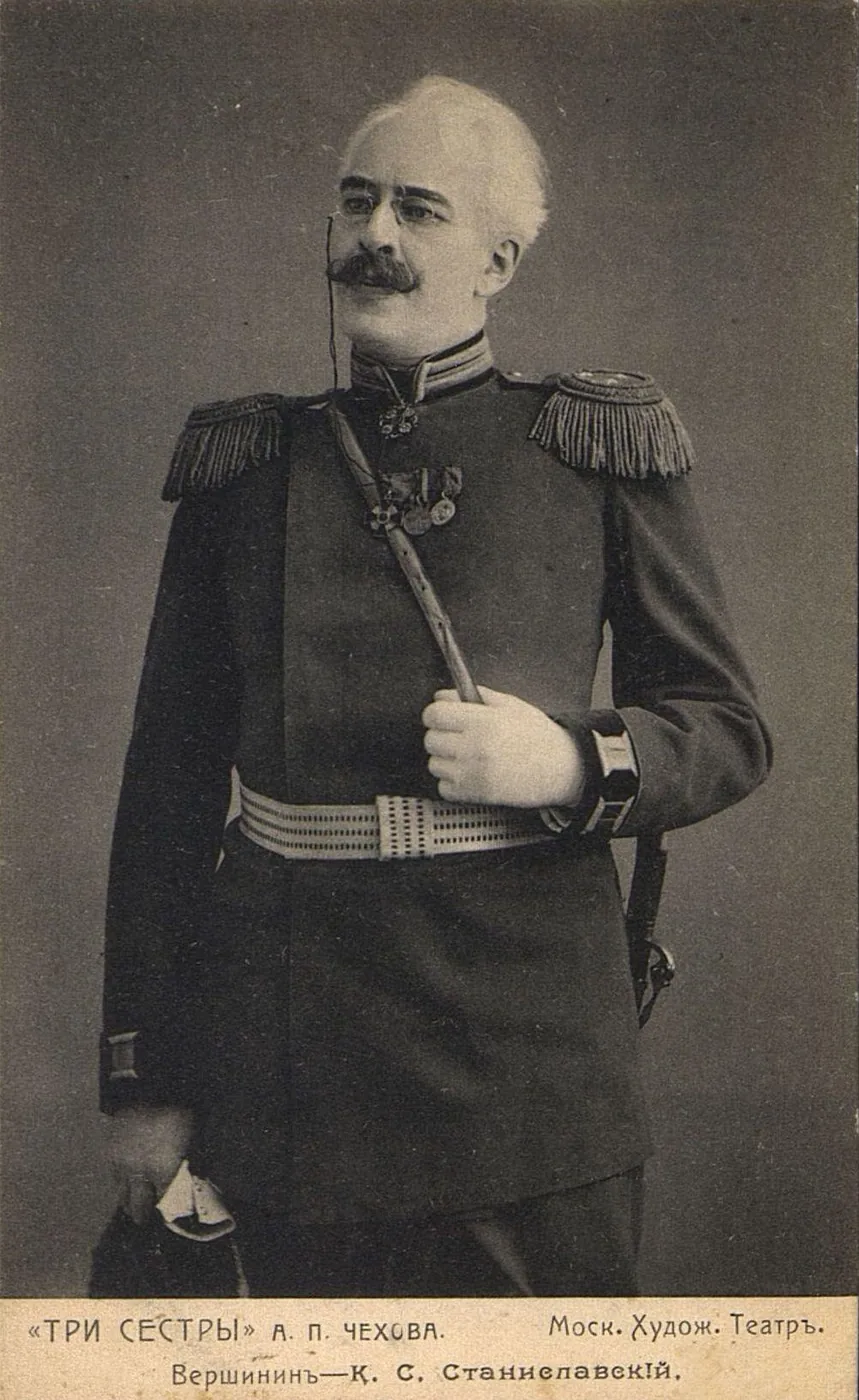
Three Sisters is a play in four acts that Chekhov wrote in 1900 and that opened at the Moscow Art Theatre in January 1901. Its sisters, Olga, Masha and Irina Prozorov, are stuck in a provincial town and keep saying they will return to Moscow, while officers, relatives and neighbours keep the house in motion. The play still feels alive because its people want something badly and keep stopping short of it. It is funny and painful in the same breath, so a scene can make an audience laugh and then sink in.
What was new was the method. Wikipedia’s summary of Chekhov’s four major plays describes a “theatre of mood” and a “submerged life in the text” offered in place of conventional action. The premiere was directed by Konstantin Stanislavski and Vladimir Nemirovich-Danchenko; Stanislavski also played Vershinin, and Olga Knipper played Masha, a part Chekhov wrote for her. Chekhov felt that Stanislavski’s “exuberant” direction had masked the play’s subtleties, and that only Knipper had shown her character developing as he intended. Audiences responded to the sisters’ loneliness, and the play soon became part of the company’s repertoire.
Notice how the play handles time and talk. The sisters keep planning a move and spend the evening circling it. In the first act Vershinin speaks about the future, and Masha, in the character summary on Wikipedia, answers by declaring she is staying for lunch. Much of the plot’s movement comes from money, postings and family arrangements rather than from anyone’s decision. Chekhov spent about a year writing the play, which is one reason its small delays and hopes feel so exact.
Présentation rédigée pour LitMundi avec l’aide de l’IA et vérifiée d’après les sources ci-dessous.
La disponibilité des traductions reste à étudier. Un brouillon ne prouve pas l’absence d’une traduction.
← Retour à la collection