
Le Tartuffe ou l’Imposteur
Français
Le Tartuffe ou l’Imposteur · French, Wikisource transcription of the Louandre 1910 edition
LeerMolière · 1669
Un falso devoto se instala en casa de Orgón y va tras su hija, su esposa y su fortuna.
Tartufo o El impostor es una comedia en verso de Molière, representada por primera vez en 1664 e impresa en su forma definitiva en 1669. Orgón y su madre caen bajo la influencia de Tartufo, un vagabundo que finge devoción; le prometen a Mariana, la hija de Orgón, corteja a Elmira y es nombrado heredero de la casa. La familia, con la criada Dorina al frente, intenta desenmascararlo antes de perderlo todo.
No hay una traducción publicada en el idioma de esta interfaz. Puedes leer el original u otra edición disponible.
Leer · Français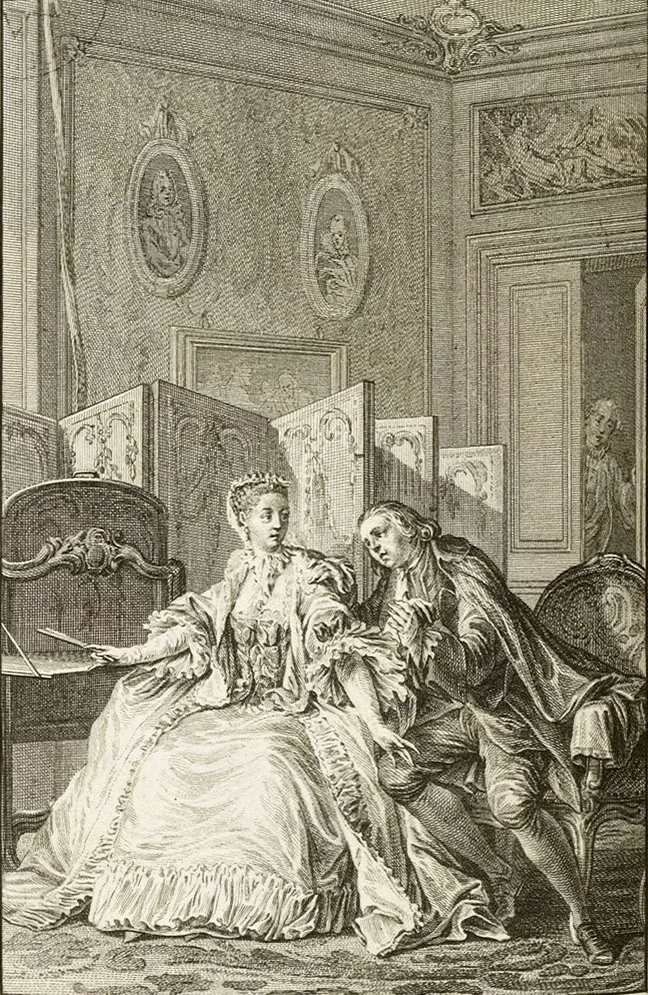
Tartuffe, or The Impostor, first performed in 1664, is a verse comedy by Molière, written in rhyming twelve-syllable lines: Wikipedia counts 1,962 of them. It is still alive in two ways. In the Comédie-Française it is the most performed play in the repertoire, and the title character gave both French and English a word: a tartuffe is a hypocrite who exaggeratedly feigns virtue, especially religious virtue. The story is a household farce with a sharp edge. Orgon and his mother take in Tartuffe as a holy man, and he turns that trust into power over the family’s daughter, wife and property.
The play is also remembered for what happened to it. Wikipedia reports that after a Versailles performance in 1664 the King suppressed the play, and the Archbishop of Paris threatened excommunication for anyone who watched, performed in or read it. A softened version, L’Imposteur, with the title character renamed Panulphe, was played once in August 1667 and banned the next day. The final text reached the Palais-Royal on 5 February 1669 and was highly successful. In between, a defender argued in 1667 that a hypocrite shown on stage is comic and so cannot be an endorsement. Few comedies have had their right to exist argued so openly.
Notice who works to expose Tartuffe: Dorine, the maid, and Elmire, who stages the trap. Notice how long Orgon refuses to see, and how comic that blindness is. Content note: a religious hypocrite attempts to seduce his host’s wife, there is a threat of disinheritance and eviction, and a father plans to force his daughter into marriage; it is all treated as comedy and nothing is graphic. This page uses an eighteenth-century engraving of the play. The French text on this site is from French Wikisource.
Introducción redactada para LitMundi con ayuda de IA y contrastada con las fuentes que se indican abajo.
La disponibilidad de traducciones sigue en estudio. Un borrador no demuestra que no exista una traducción.
← Volver a la colección