
Un cœur simple
Français
Un cœur simple · Français, Trois contes, 5e éd., Charpentier 1877
LireGustave Flaubert · 1877
Pendant cinquante ans, les femmes respectables d’une ville normande ont envié à une veuve sa servante. Voici l’histoire de cette servante.
Félicité travaille chez Mme Aubain à Pont-l’Évêque, aimant ce qu’on lui donne à aimer : une famille, un neveu, un perroquet. Flaubert suit toute sa vie sans jamais élever la voix.
Un cœur simple tells the life of a servant, Félicité, from youth to old age in four short chapters. It opens with a sentence that is almost a joke, the envy of the town, and then turns the joke inside out. Nothing in it is spectacular. It is alive for readers now because Flaubert gives a woman with no money, education or power the full attention that novels usually reserve for the people she serves. Her devotions are small and sometimes comic, and they are never mocked. The story is a lesson in how much a plain sentence can hold.
It was published in 1877 in Trois contes, together with ‘The Legend of Saint Julian the Hospitaller’ and ‘Hérodias’, and Flaubert wrote it with the encouragement of his friend George Sand. The three tales are very different in setting, from rural Normandy to a medieval legend to ancient Judea, yet Flaubert chose to publish them together. That choice of subject, more than any plot, is what a reader carries away from the first of them. What the first tale puts at the centre is its subject: a servant’s inner life treated with the same care as any hero’s.
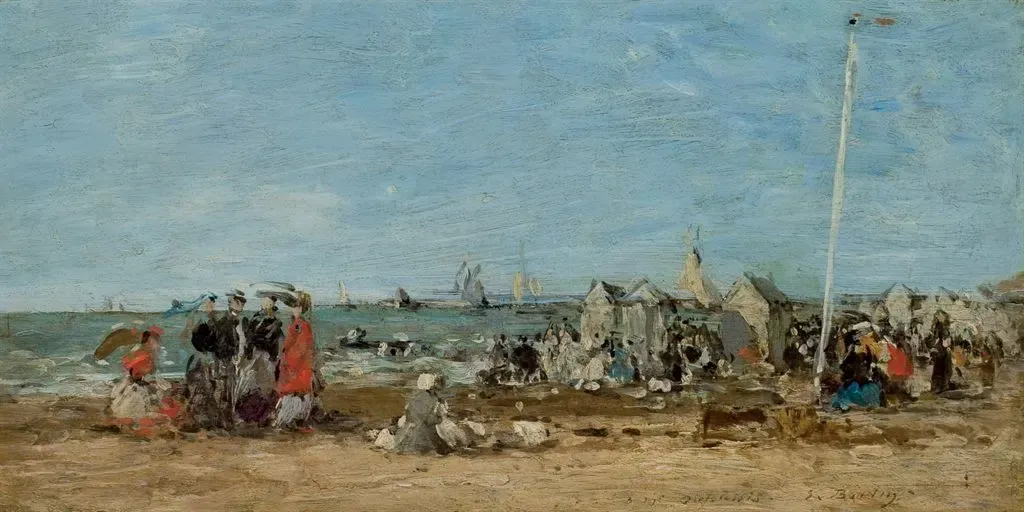
Pay attention to the objects: a parrot, a house full of old furniture. Flaubert lets things carry feeling so that the narrator doesn’t have to. Notice the sea in the second chapter, where the family goes to Trouville, and how a few lines of landscape change the pace. Notice the repetition of habits, because the heart of the story is how a life is made of repeated acts of care. Read it slowly. There is no villain, and the quiet way it moves is the reason it works.
Présentation rédigée pour LitMundi avec l’aide de l’IA et vérifiée d’après les sources ci-dessous.
La disponibilité des traductions reste à étudier. Un brouillon ne prouve pas l’absence d’une traduction.
← Retour à la collection