
Candide, ou l’Optimisme
Français
Candide · Français, Œuvres de Voltaire, éd. Beuchot, t. XXXIII (1829)
LeerVoltaire · 1759
Un joven ingenuo, educado en la idea de que vivimos en el mejor de los mundos posibles, atraviesa guerras, naufragios y un terremoto para ponerla a prueba.
Cándido crece en un castillo de Westfalia, donde el doctor Pangloss le enseña que todo es para bien; expulsado de allí, el mundo empieza a corregir su educación. La sátira veloz e impasible de Voltaire (1759) lo lleva de la guerra a Lisboa, a América y de vuelta, y pregunta qué queda de la esperanza cuando los hechos dicen lo contrario.
No hay una traducción publicada en el idioma de esta interfaz. Puedes leer el original u otra edición disponible.
Leer · Français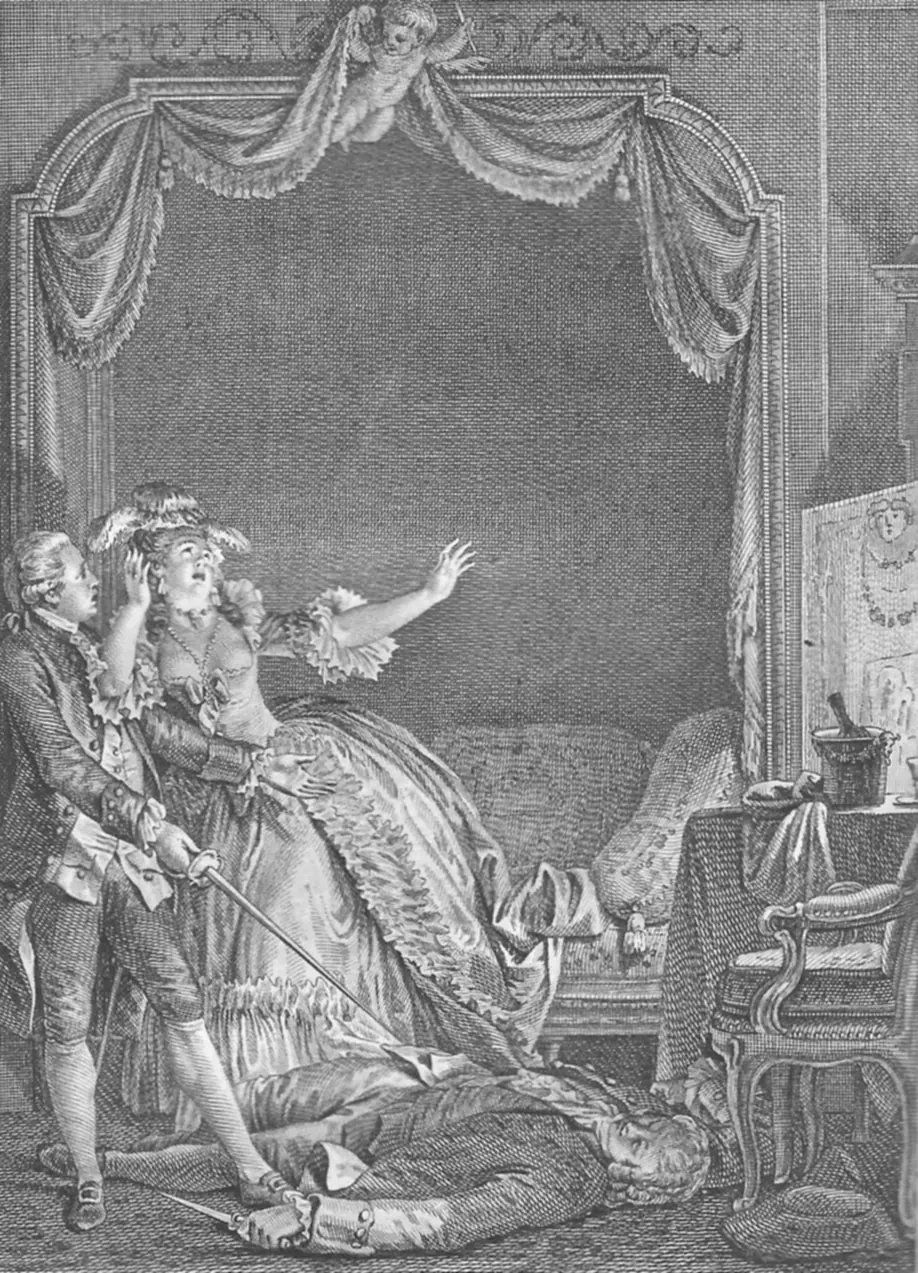
Candide is short, quick and still unnervingly funny. Voltaire, in 1759, takes a young man raised on the doctrine that this is “the best of all possible worlds”, the optimism of Leibniz as repeated by his tutor Pangloss, and lets war, disease, shipwreck, slavery and the Inquisition answer it. The tone is bitter and matter-of-fact: catastrophes are reported in the same brisk voice as a change of lodgings. That gap between what is said and what is shown drives the whole book, and it works on anyone who has heard a comforting phrase offered in the middle of a disaster.
The book answers a specific shock. Voltaire was disillusioned by the Lisbon earthquake of 1755, and the Seven Years’ War runs behind the story. Candide became a model for the eighteenth-century conte philosophique, the short philosophical tale, while parodying the clichés of adventure and romance. It was published in secret in several cities at once, and by the end of February 1759 Geneva and the Paris authorities had banned it; it still sold an estimated twenty to thirty thousand copies that year, and in 1762 it went on the Catholic Church’s Index. Paul Klee illustrated it in 1920, and Leonard Bernstein’s operetta reached Broadway in 1956.
Notice how little time any disaster is given: chapters are brief, and each hands the next a fresh calamity, often through a character’s own account of her misfortunes. Notice the gardens, which many critics read as a thread from the baron’s castle to the closing line, “we must cultivate our garden”, and argue over whether that line means retreat or work. The engraving here comes from the 1787 Kehl edition of Voltaire’s works, although in a 1778 letter Voltaire called illustrations “baubles” that were quite useless.
Introducción redactada para LitMundi con ayuda de IA y contrastada con las fuentes que se indican abajo.
La disponibilidad de traducciones sigue en estudio. Un borrador no demuestra que no exista una traducción.
← Volver a la colección