
坊っちゃん
日本語
坊っちゃん · 日本語, ちくま日本文学全集『夏目漱石』1992(青空文庫・新字新仮名)
LeerNatsume Soseki · 1906
Un tokiota de sangre caliente acepta una plaza de profesor en provincias y se empeña en decir la verdad a quienes preferirían no oírla.
Un joven licenciado de Tokio, impulsivo y orgulloso de serlo, acepta dar matemáticas en un instituto de Shikoku y se encuentra con una sala de profesores llena de motes, chismes y halagos, y con alumnos que lo ponen a prueba de inmediato. Natsume Sōseki lo escribió en unos diez días a partir de su etapa como profesor en Matsuyama; es una de las novelas japonesas más populares.
No hay una traducción publicada en el idioma de esta interfaz. Puedes leer el original u otra edición disponible.
Leer · 日本語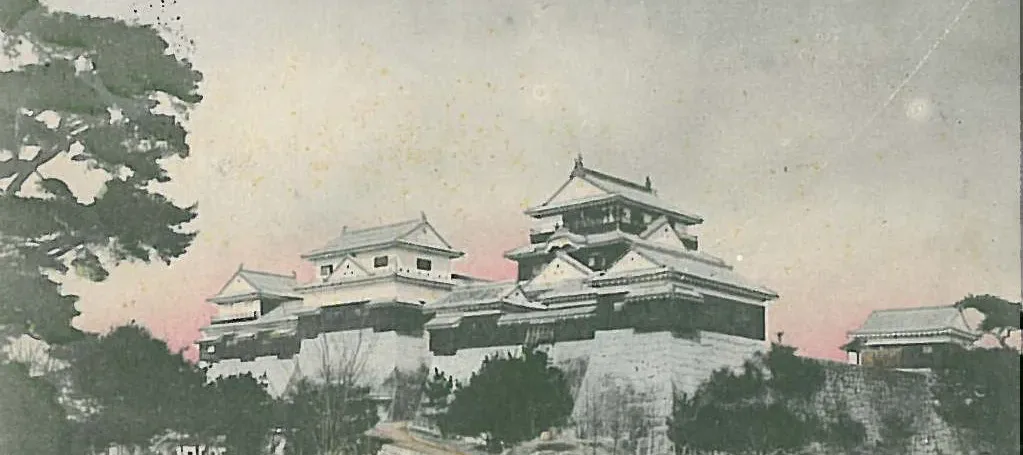
Botchan is a short comic novel told by a Tokyo man who confesses in the first line that he inherited a recklessness from his father, and that it has cost him ever since childhood. Posted to a provincial middle school as a mathematics teacher, he treats each slight as a point of honour and answers it in quick, plain speech. It still reads as alive because the narrator is neither wise nor sorry for himself: he is loud, decent and often wrong, and Sōseki lets the reader see more than he does. Nicknames such as Red Shirt, Porcupine and Squash turn the staff room into a small theatre.
Sōseki wrote it in about ten days and it appeared in the April 1906 issue of the magazine Hototogisu; it was collected in the volume Uzura kago in January 1907. It came a year after his first fiction, I Am a Cat, and a year before he resigned his university posts to write for the Asahi Shimbun. Its source is his own spell teaching at a Matsuyama middle school in 1895–96, seen through a Tokyo-born narrator. It became a book students meet at school, and it has been adapted for film, television and manga, among them Jirō Taniguchi’s The Times of Botchan, which began in 1986.
Watch how fast Botchan’s verdicts arrive, and how little evidence stands behind them; the comedy lives in the gap between what he sees and what the page lets you see. Notice that every authority figure is named by a physical trait or a habit, and that the one person who thinks well of him without reservation is his old family maid, Kiyo. Anyone who has been posted far from home to a job full of unspoken rules will recognise the outline. The pace is brisk, the sentences are short, and the book is easy to finish in a few sittings.
Introducción redactada para LitMundi con ayuda de IA y contrastada con las fuentes que se indican abajo.
La disponibilidad de traducciones sigue en estudio. Un borrador no demuestra que no exista una traducción.
← Volver a la colección