
Bebé y el señor don Pomposo
Español
Bebé y el señor don Pomposo · Español, La Edad de Oro 1889
LeerJosé Martí · 1889
Un niño rico, su primo pobre y un tío viejo y pomposo: un cuento infantil de 1889 sobre a quién se le hace caso.
La noche antes de partir a París, Bebé, de cinco años, está acostado pensando en la visita del tío rico de su madre, don Pomposo, que le hizo mil fiestas y no hizo caso de su primo Raúl, huérfano de madre. José Martí lo escribió para los niños y confía en que sabrán notar lo que es injusto.
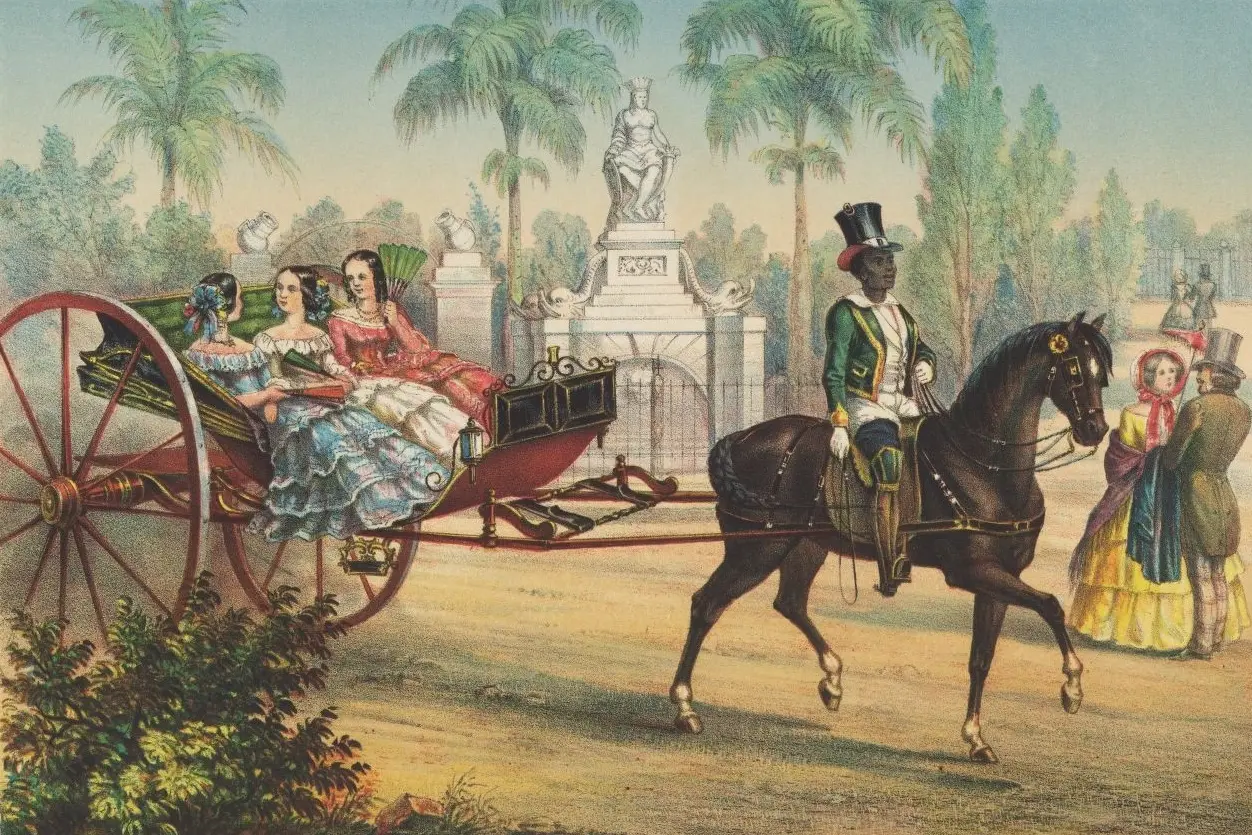
“Bebé y el señor Don Pomposo” is a short prose story by José Martí, written for the children’s magazine he made in New York in 1889. It stays close to the mind of Bebé, a five-year-old with curly blond hair, affectionate and generous but not perfect: he sulks and plays pranks. His cousin Raúl has no mother and no fine clothes. Don Pomposo, the mother’s uncle, is tall, thin and stiff, flatters Bebé and treats his mother like royalty, and does not look at Raúl. It still reads as alive because children recognise unfairness at once, and adults will recognise Don Pomposo.
The story appeared in the first issue of La Edad de Oro, in July 1889, beside “Tres héroes”, “Meñique” and “La Ilíada de Homero”. The magazine was a monthly of thirty-two pages for the children of America, and only four issues came out, to October 1889; Hispanopedia attributes the stop to Martí’s differences with its editor, Da Costa Gómez. The four issues were gathered into a book, first published in Costa Rica in 1921, and later reprinted many times. Martí, in exile, worked for Cuban independence and died in battle at Dos Ríos in 1895; he is counted among the figures of Modernismo, who influenced Rubén Darío.
Notice the verbs of attention: who is greeted, who is looked at, who is handed a gift. Martí never lectures; the moral lives in a few gestures. Notice the voice, too, warm and lyrical, full of exclamations and repetition, with the refrain that Bebé is thinking, and with endearments such as “caballito de mi alma”, which he calls his horse. The close is a small, playful act of Bebé’s with a point about fairness and sharing. The Spanish is clear and the story short, which makes it a good first text for learners as well as a quick read for anyone.
Introducción redactada para LitMundi con ayuda de IA y contrastada con las fuentes que se indican abajo.
La disponibilidad de traducciones sigue en estudio. Un borrador no demuestra que no exista una traducción.
← Volver a la colección