
Der Tod in Venedig
Deutsch
Der Tod in Venedig · German, Project Gutenberg #12108
LeerThomas Mann · 1912
Un escritor célebre y disciplinado va a descansar a Venecia y no aparta la mirada de un muchacho, mientras el cólera se extiende en silencio por la ciudad.
La muerte en Venecia (Der Tod in Venedig, 1912) es una novela corta de Thomas Mann. Gustav von Aschenbach, un escritor respetado y recién ennoblecido, viaja a Venecia, se aloja en un hotel del Lido y se obsesiona con un muchacho polaco de unos catorce años. A medida que la obsesión crece, abandona la disciplina de toda su vida y se queda incluso después de saber que una epidemia de cólera se extiende por la ciudad.
No hay una traducción publicada en el idioma de esta interfaz. Puedes leer el original u otra edición disponible.
Leer · Deutsch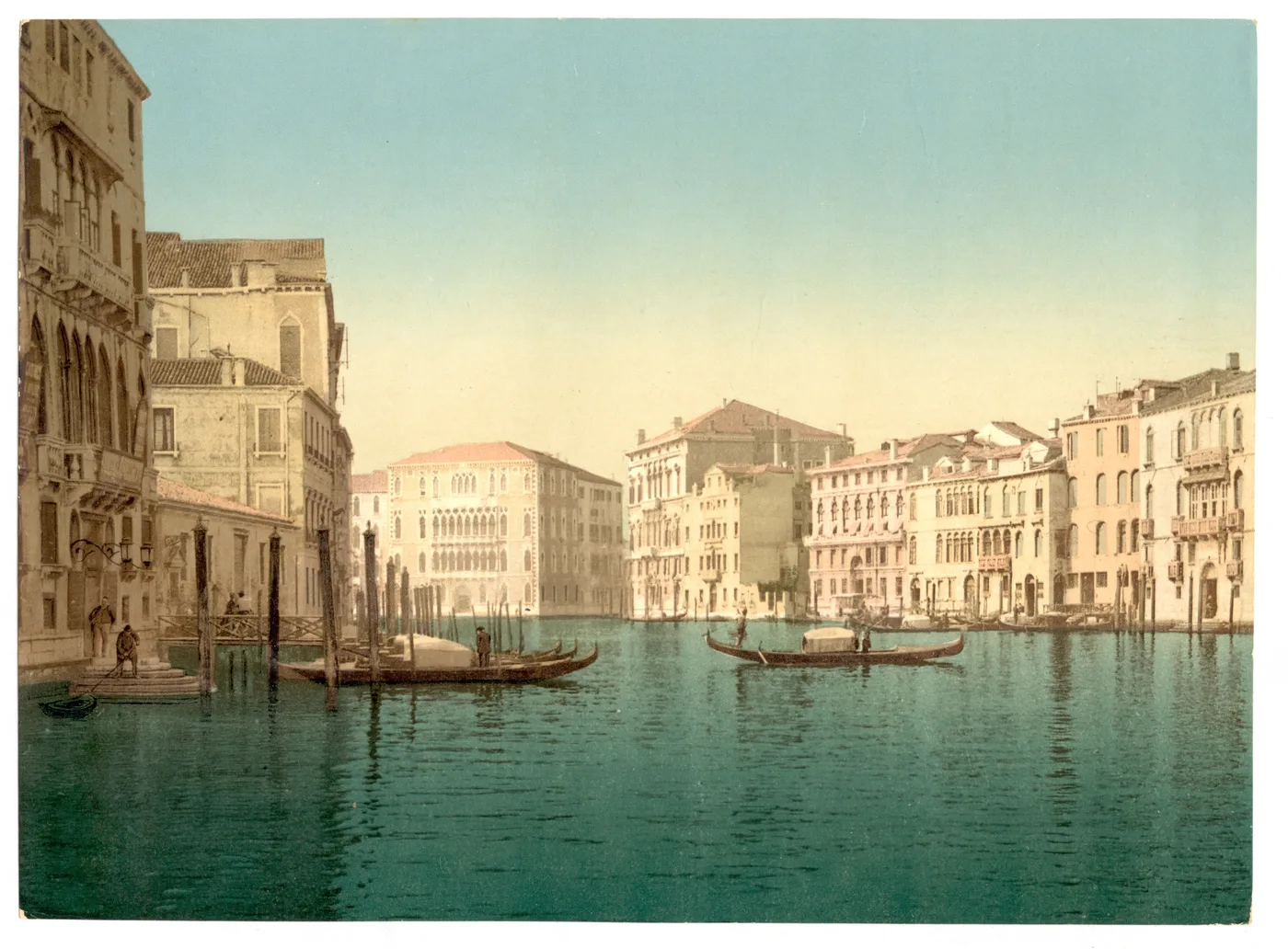
“Der Tod in Venedig” (Death in Venice) is a novella by Thomas Mann, drawing in part on his own stay in Venice during the 1911 cholera epidemic. Hyperion-Verlag issued it in a limited edition in 1912; it ran in Die neue Rundschau that October and November, and Fischer brought out a trade edition in 1913. Gustav von Aschenbach, a celebrated and recently ennobled writer who has lived by severe self-discipline, goes to the Lido for a rest and becomes obsessed with a Polish boy of about fourteen. It is still read because it follows a respectable man’s unravelling in slow, precise steps, while the city around him hides a spreading disease and the reader sees more than he admits.
Mann’s own account, quoted on the Project Gutenberg page, calls it “the tragedy of a degradation.” Wikipedia traces its origins to Goethe’s late love for a teenage girl, the May 1911 death of Gustav Mahler, whose first name and, per a photograph, appearance Mann gave Aschenbach, and the real Venice holiday. The story is dense with Greek reference, drawing on Plato’s Symposium and Phaedrus and on Nietzsche’s contrast between Apollo, the god of form and restraint, and Dionysus, the god of excess. Its English life was shaped by translators: Helen Lowe-Porter’s 1922 version was later criticised for toning down the sexuality, and Kenneth Burke’s 1924 version was called definitive by W. H. Auden.
Notice how often Aschenbach meets the same kind of figure: red-haired strangers at the cemetery, in the gondola and among the street singers. Notice too the officials who deny the epidemic, and the old man in a wig on the boat, whom Aschenbach later comes to resemble once his hair is dyed and his face painted. Content note: the story depicts an older man’s obsessive, unconsummated desire for a boy of about fourteen, in a setting of decay, cholera and death. The narration neither endorses nor describes it explicitly; the two never touch or speak. Suitable for adult readers. The Vietnamese text on this site is the site’s own translation, made directly from the German.
Introducción redactada para LitMundi con ayuda de IA y contrastada con las fuentes que se indican abajo.
La disponibilidad de traducciones sigue en estudio. Un borrador no demuestra que no exista una traducción.
← Volver a la colección