
Die Verwandlung
Deutsch
Die Verwandlung · Deutsch, Kurt Wolff Verlag 1917
LeerFranz Kafka · 1915
Un viajante de comercio despierta una mañana transformado, y la verdadera cuestión es cómo se las arreglará su familia con el cambio.
Gregor Samsa despierta en su cama en Praga, incapaz de levantarse, y su primera preocupación es perder el tren al trabajo. En menos de cien páginas, Kafka sigue lo que le ocurre a un hogar cuando quien lo sostiene deja de ser útil.
No hay una traducción publicada en el idioma de esta interfaz. Puedes leer el original u otra edición disponible.
Leer · Deutsch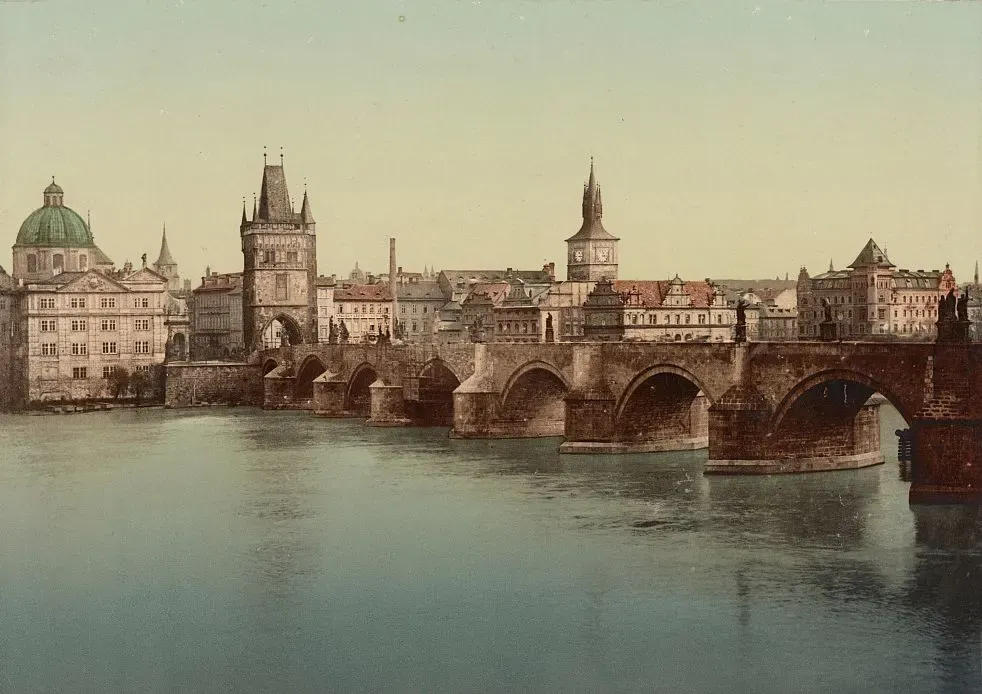
The Metamorphosis opens with one of the most quoted situations in modern fiction: Gregor Samsa, a travelling salesman, wakes to find himself transformed into a huge insect-like creature. What keeps it alive is the tone. Kafka tells the impossible in the flat, practical voice of a man worried about trains, bosses and money. The horror is not the transformation but how quickly everyone around Gregor starts negotiating with it. At about seventy printed pages it is the longest of the stories Kafka thought finished and published in his lifetime, and it reads in an afternoon.
It appeared in October 1915 in the journal Die weißen Blätter, and as a book later that year from Kurt Wolff in Leipzig. Kafka cared about how it would look: when the cover was being drawn by Ottomar Starke, he wrote to his publisher that the insect itself was not to be drawn. That instruction says something about the method. The creature is never shown, only its effects on a family, a lodging, a job. Nabokov read it closely as a work of art rather than a symbol-puzzle, and it remains a model of how plain prose can carry strangeness.
While reading, follow the household rather than the body. Notice who in the Samsa family speaks first, who goes quiet, who starts working, and how the sister’s role changes. Notice how often practical details answer emotional ones: a door, a key, a plate of food. Vladimir Nabokov rejected allegorical readings and asked readers to look at those details, and he argued Gregor is a beetle with wings under his shell. You do not have to agree; the story supports many readings, and it is better read once for plain events before any theory.
Introducción redactada para LitMundi con ayuda de IA y contrastada con las fuentes que se indican abajo.
La disponibilidad de traducciones sigue en estudio. Un borrador no demuestra que no exista una traducción.
← Volver a la colección