
The Story of an Hour
English
The Story of an Hour · English, 1895 readings
LeerKate Chopin · 1894
A una mujer le comunican que su marido ha muerto, y pasa la hora siguiente sola en una habitación, con sus propios pensamientos.
A la señora Mallard le dan la noticia de la muerte de su marido con todo el tacto posible. Lo que siente al quedarse sola la sorprende más que a nadie. Kate Chopin lo condensa en unas pocas páginas, y el relato sigue inquietando a quien lo lee.
No hay una traducción publicada en el idioma de esta interfaz. Puedes leer el original u otra edición disponible.
Leer · English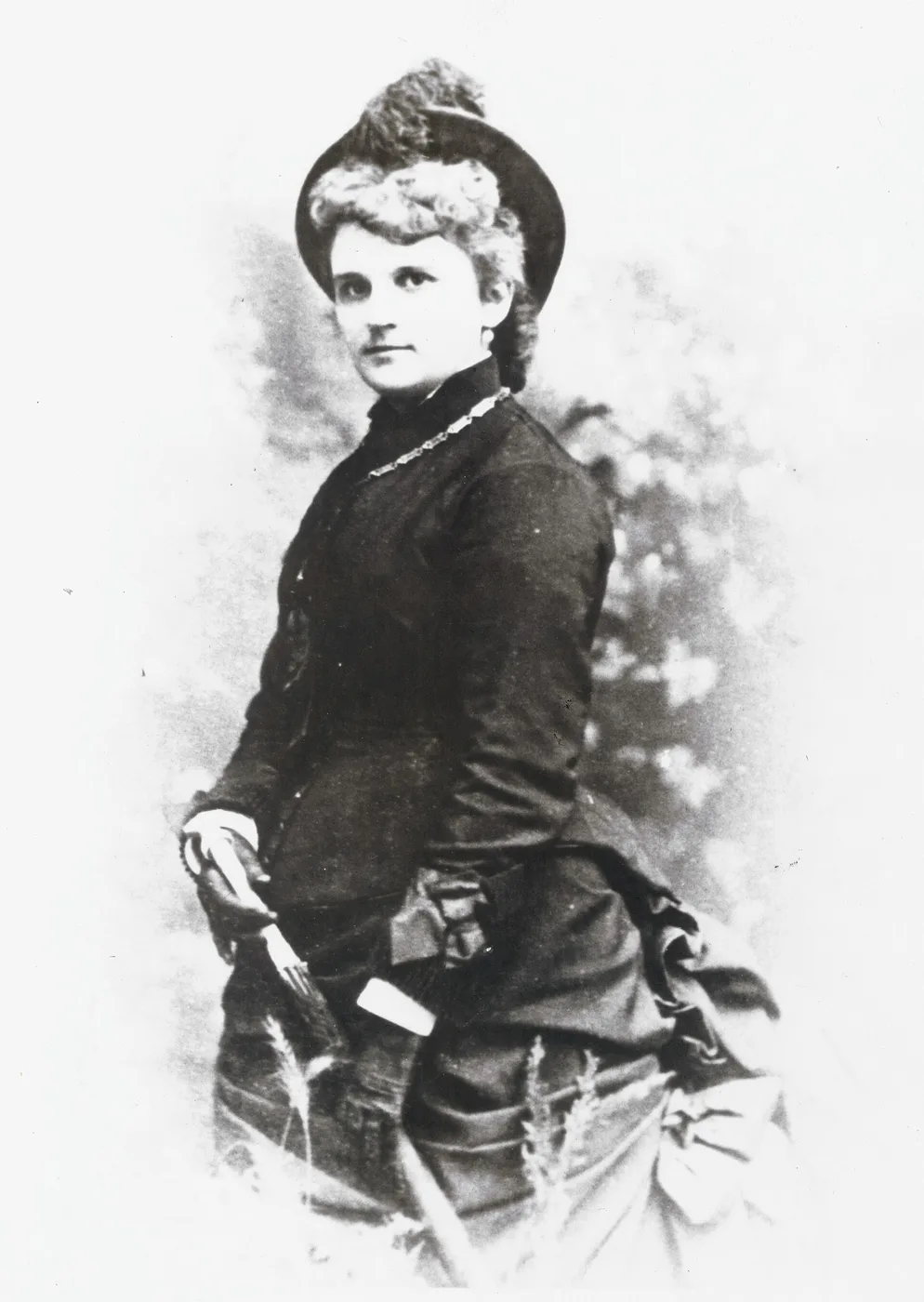
“The Story of an Hour” is short enough to read standing up, and it takes about as long to change how you see the word “grief.” Louise Mallard hears of her husband’s death, withdraws to her room, and the story follows her mind, not her tears. What makes it alive is its refusal to tell us what a woman in her position should feel. The narration stays close, quiet and exact, and the reader finds out what she feels at the same speed as she does, which is the source of the story’s force.
Chopin wrote it on 19 April 1894 and it first appeared in Vogue on 6 December 1894 as “The Dream of an Hour”; it was reprinted in St. Louis Life in January 1895 under the title we know. Five years later her novel The Awakening drew mostly hostile reviews for its treatment of a woman’s desires, and she turned almost entirely to short stories. Critics have read the plot in many ways. Emily Toth argues Chopin had to have her heroine die to make the story publishable, and later readings range from tragedy to the railroad and telegraph as sources of distance in a marriage.
Pay attention to the middle of the story: the view from the window, the word “free” coming back again and again, and the way the narration widens from one room to “a long procession of years to come.” Watch the other characters, who mean well, and see how little they know of what is happening in her. Then reach the last line and decide whether the story is cruel, ironic or simply exact. Read it aloud, and notice how each sentence leaves her a little more room.
Introducción redactada para LitMundi con ayuda de IA y contrastada con las fuentes que se indican abajo.
La disponibilidad de traducciones sigue en estudio. Un borrador no demuestra que no exista una traducción.
← Volver a la colección