
The Artist
English
Original English · 1913 Methuen edition (Project Gutenberg #774)
ReadOscar Wilde · 1894
A sculptor sets out to give a fleeting pleasure a body in bronze, and runs into a problem of materials.
An artist wants to make an image of “the Pleasure that abideth for a Moment.” Oscar Wilde needed only a handful of lines to turn that errand into a parable about what art costs. It is one of six prose poems he published in 1894.
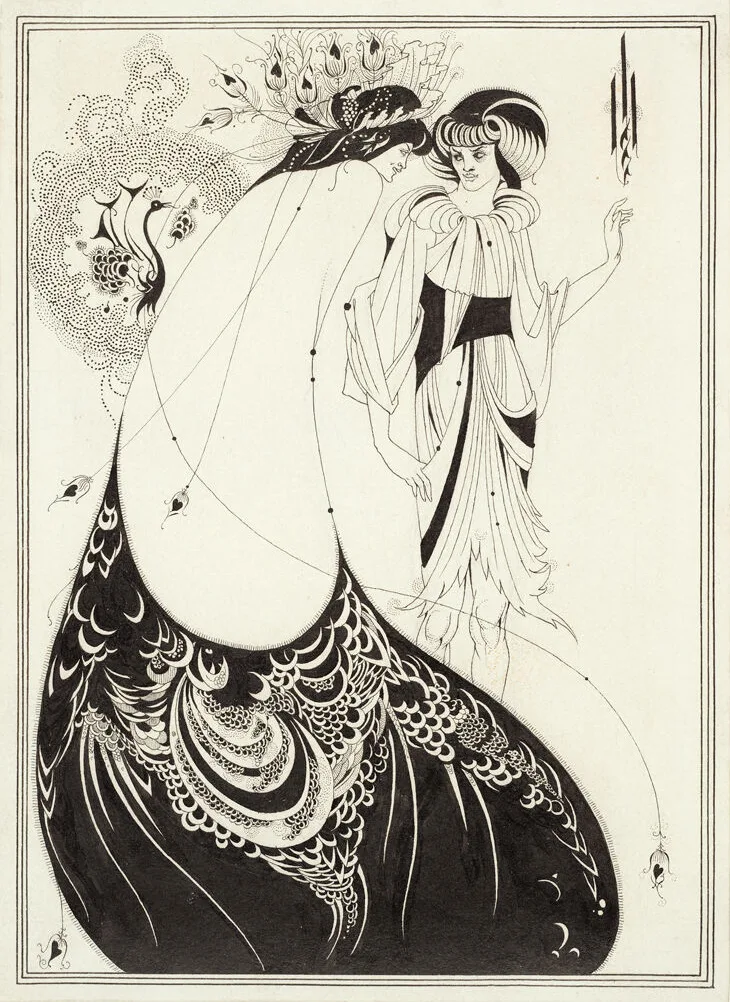
“The Artist” is a parable that fits on a single page. A sculptor wants to make an image of “the Pleasure that abideth for a Moment,” and the whole drama lies in where he will find the material. It still reads as alive because it states an idea about art in the plainest terms, with no argument and no character study, only a task, an obstacle and a decision. Anyone who has paid for one thing by giving up another will recognise the bargain at its centre, and the poem trusts you to feel its weight without explaining it.
Wilde published six prose poems in his lifetime, and all six appeared together in The Fortnightly Review in July 1894, a few months before the scandals that ended his career. Two of them had run a year earlier in the Oxford undergraduate magazine The Spirit Lamp. Charles Ricketts drew illustrations for the set, but never published them in his lifetime, and the poems reached book form only as a privately printed chapbook in 1905. That small history matters: the prose poem let Wilde write a fable without a plot, a form that cost him a page and asked a reader for a minute.
Read it slowly, twice. Notice how Wilde names the two sculptures, each as an abstract noun with its own duration, and how the poem’s logic depends on a simple fact about metal. Notice the calm of the telling: nothing is shouted, and the ending arrives as arithmetic rather than tragedy. Then ask what the artist wanted, and what he was prepared to lose to get it. The poem is short enough to hold in the head all day, and it rewards that kind of return.
Introduction written for LitMundi with AI assistance and checked against the sources listed below.
Translation availability is still being researched. A draft is not evidence that no translation exists.
← Back to collection