
The Great Gatsby
English
The Great Gatsby · English, Project Gutenberg #64317
ReadF. Scott Fitzgerald · 1925
In the summer of 1922 a neighbour on Long Island throws parties for hundreds, and Nick Carraway watches him from next door.
Nick Carraway, a young Midwesterner, rents a small house on Long Island next to the mansion of Jay Gatsby, whose parties fill the summer nights with music and strangers. As Nick is drawn into Gatsby’s world and the circle of his cousin Daisy across the bay, he comes to see what the glitter is for. Charles Scribner’s Sons published it in New York on 10 April 1925.
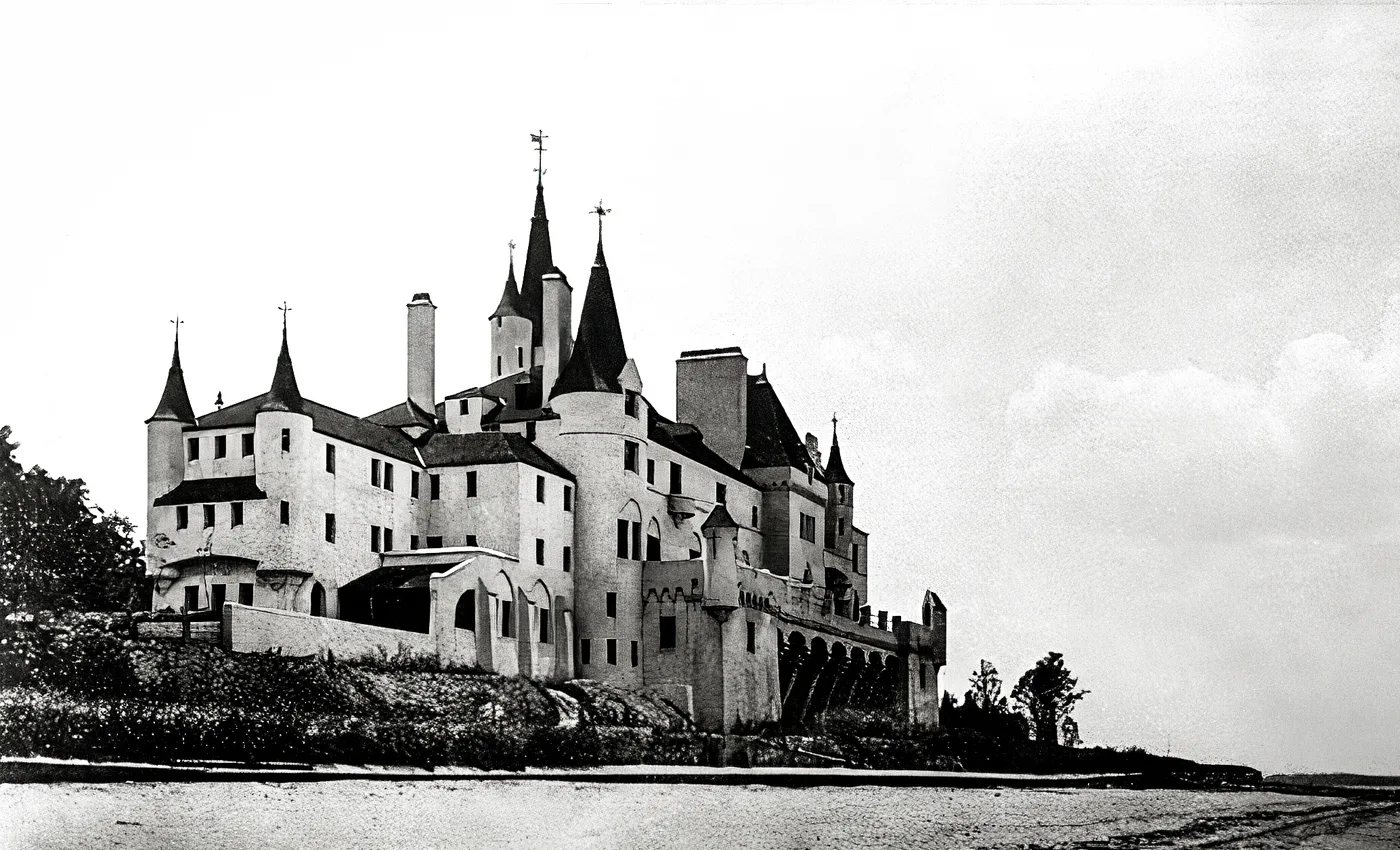
The Great Gatsby is short enough to read in an evening, yet it holds a whole summer, a whole class of people and a whole country’s appetite for reinvention. Nick Carraway, a Yale graduate and First World War veteran from the Midwest, tells it in the first person from West Egg, Long Island, in 1922. The people in it drink in the Prohibition years, chase money and lose track of what it was for. Readers keep returning because Fitzgerald makes longing look both ridiculous and beautiful, and does not decide for us which it is.
Fitzgerald began outlining the book in June 1922 and wrote much of it in France and Italy; he considered titles such as Trimalchio in West Egg before settling on the one we know. It sold modestly: fewer than 20,000 copies by October 1925, after two printings, and by his ledger he earned about $2,000. Fitzgerald complained that of all the reviews, even the enthusiastic ones, not one had the slightest idea what the book was about. Willa Cather, Edith Wharton and T. S. Eliot wrote to praise it. Its larger life came later: about 155,000 Armed Services Editions went to American troops, against some 25,000 copies Scribner’s printed from 1925 to 1942.
While reading, watch Nick himself. He says he is inclined to reserve judgments, yet he judges constantly, and the distance between what he claims and what he does is part of the plot. Notice how the book uses light, weather and distance: a lamp across the water, the heat of a summer afternoon, the grey valley between the city and the Island. Notice what Gatsby says and what he leaves unsaid. The book entered the US public domain on 1 January 2021, so any reader may now print, translate and adapt it freely, as the films, an opera and a Broadway musical have done.
Introduction written for LitMundi with AI assistance and checked against the sources listed below.
Translation availability is still being researched. A draft is not evidence that no translation exists.
← Back to collection