
The Age of Innocence
English
The Age of Innocence · English, Project Gutenberg #541
ReadEdith Wharton · 1920
New York, 1870s: a lawyer about to marry the right girl meets her scandalous cousin, a countess who has left her husband.
Edith Wharton’s The Age of Innocence (1920) is set in the 1870s among the upper class of Gilded Age New York. Newland Archer, a young lawyer, looks forward to marrying May Welland, until the arrival of her cousin, Countess Ellen Olenska, who has scandalously left a disastrous marriage in Europe, makes him doubt the match. It won the 1921 Pulitzer Prize for Fiction, making Wharton the first woman to win it.
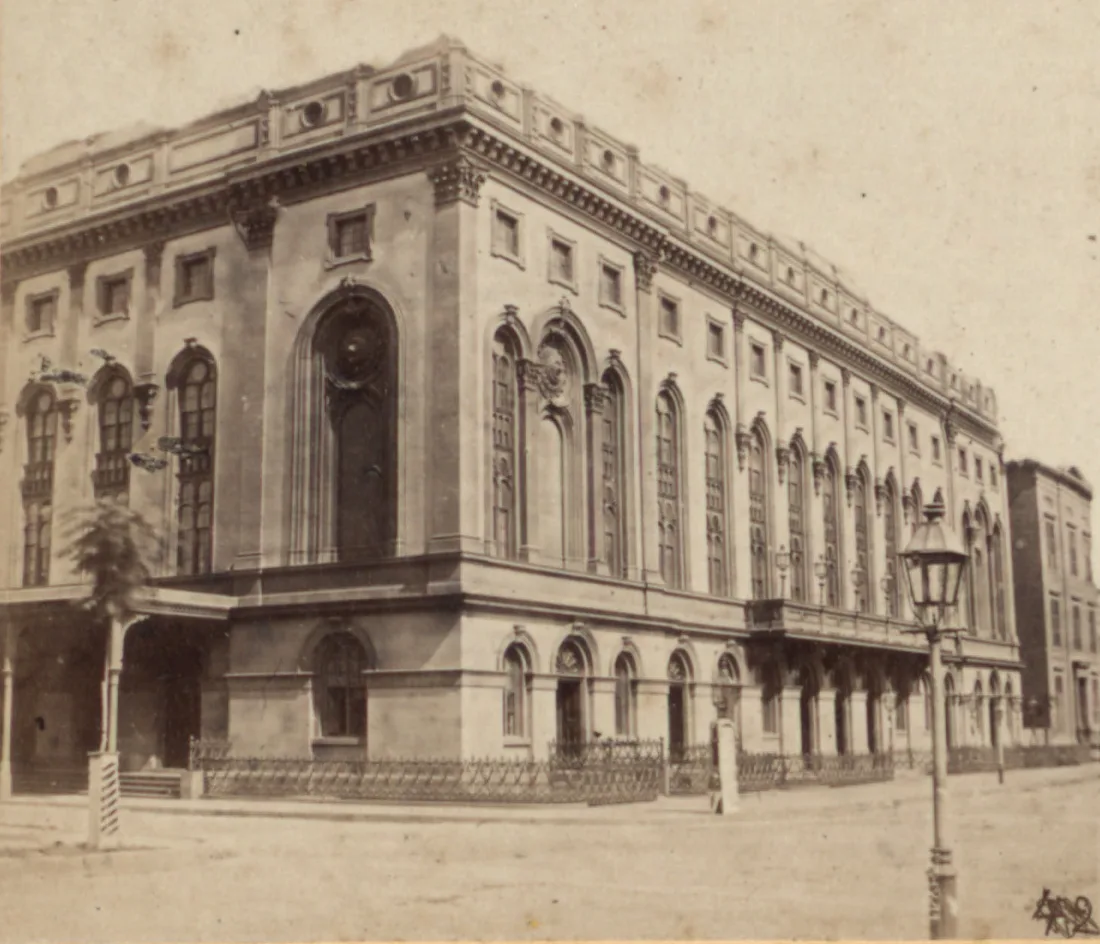
The Age of Innocence is a novel by Edith Wharton, published on 25 October 1920. It was serialized that year in four parts in the magazine Pictorial Review, and later in 1920 D. Appleton & Company issued it as a book. The story is set in the 1870s, in upper-class “Gilded Age” New York, and centers on a couple’s impending marriage and the arrival of the bride’s cousin, a woman plagued by scandal whose presence threatens their happiness. Wharton wrote it in her fifties, after she was already an established author. It stays alive because the polite surface of a drawing room and the pressure underneath it are both easy to recognize, even a century on.
Wharton described the book in her autobiography as “a momentary escape in going back to my childish memories of a long-vanished America”, a world she felt had been destroyed in 1914. It won the 1921 Pulitzer Prize for Fiction, making her the first woman to win the prize. According to Wikipedia, the three fiction judges had voted for Sinclair Lewis’s Main Street, but Columbia University’s advisory board, led by Nicholas Murray Butler, overturned the decision and gave the award to Wharton. Wikipedia also notes that the novel questions the assumptions and morals of 1870s New York society without becoming an outright condemnation of it.
Notice the title. Wikipedia calls it an ironic comment on the polished manners of New York society set against its inward machinations, and traces it to a Reynolds painting of a little girl that the engraver Joseph Grozer titled The Age of Innocence in 1794. Notice, too, how much the novel does through rooms, dinners and who is received where; critics, Wikipedia reports, have long admired Wharton’s craftsmanship, structure, subtle ironies and descriptions of interiors. Readers have also revised their view of May Welland over time. Content note: the plot turns on a marriage, an unconsummated love affair and the social exclusion of a woman who seeks a divorce; nothing is graphic.
Introduction written for LitMundi with AI assistance and checked against the sources listed below.
Translation availability is still being researched. A draft is not evidence that no translation exists.
← Back to collection