
草枕
日本語
草枕 · Japanese, Aozora Bunko card 776
ReadNatsume Soseki · 1906
A painter withdraws to a remote mountain inn, tries to see life as a picture, and keeps being interrupted by the hostess.
Kusamakura (“grass pillow”), a novel by Natsume Sōseki first published in the magazine Shinshōsetsu in September 1906, follows an artist who retreats to a remote mountain hotel. He sketches little and writes poetry instead, intrigued by the hostess, O-Nami. The text mixes scenes with essay-like meditations on art.
No translation is published in this interface language yet. You can read the original or another available edition.
Read · 日本語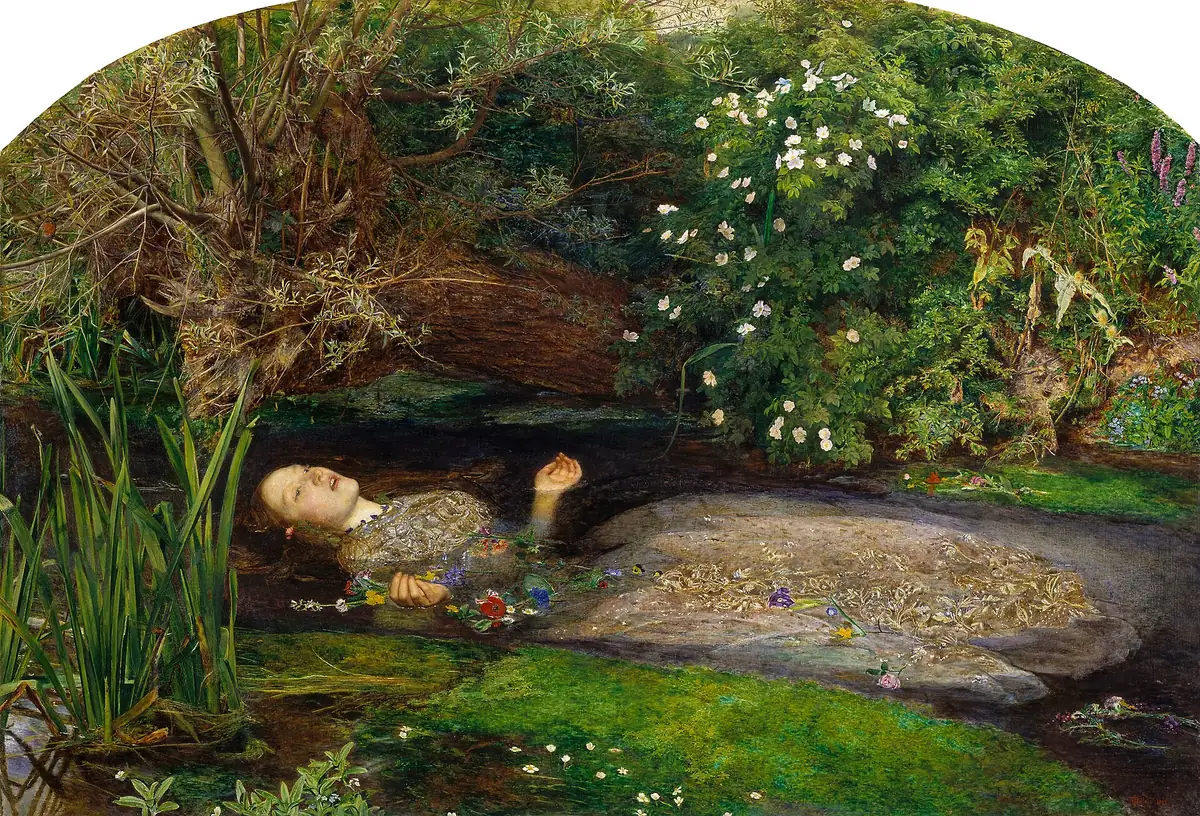
Kusamakura (草枕, “grass pillow”) is a short novel by Natsume Sōseki. The Aozora Bunko card gives its first publication as the magazine Shinshōsetsu, September 1906. An artist retreats to the mountains and stays at a remote, almost deserted hotel, where he becomes intrigued by the hostess, O-Nami. He makes only a few sketches and writes poetry instead. The title is a standard phrase in Japanese poetry for a journey, as translator Alan Turney explains. It stays alive because it asks what an artist is for: the book mixes scenes from the narrator’s withdrawn life with essay-like meditations on art and on the artist’s place in society, and those questions have not gone out of date.
Sōseki himself called Kusamakura a “haikuesque novel” whose essence was beauty, written in the hope of offering readers solace from the pains of life, according to Wikipedia. It was an experimental book, published in the same year as his comic novel Botchan, and its plot is thin by design. The narrator quotes and mentions Japanese, Chinese and European figures, among them Wang Wei, Tao Yuanming, Bashō, Laurence Sterne, Oscar Wilde and Henrik Ibsen, and discusses Lessing’s argument about the limits of painting and poetry. The English-language record is varied: two translations in 1927, Alan Turney’s The Three-Cornered World in 1965, and Meredith McKinney’s Kusamakura in 2008.
Notice how often the narrator tries to look at the world as if it were a picture, and how O-Nami keeps interrupting that attempt. Notice the Western painting that comes to his mind when he looks at her: John Everett Millais’s Ophelia, which is why this page uses that painting. Also notice the book’s argument about poetry: in chapter 12 the narrator defends the drowning of Sōseki’s student Misao Fujimura as a sacrifice made for poetry, a passage that has to be read with care. Content note: references to suicide by drowning; nothing is shown graphically. The Vietnamese text on this site is the site’s own translation, based on the Aozora Bunko Japanese text.
Introduction written for LitMundi with AI assistance and checked against the sources listed below.
Translation availability is still being researched. A draft is not evidence that no translation exists.
← Back to collection