
Memórias Póstumas de Brás Cubas
Português
Memórias Póstumas de Brás Cubas · Portuguese, Project Gutenberg #54829
ReadMachado de Assis · 1881
Rio, 1800s: a rich man, already dead, tells his own life, mistakes and failed loves included, with no fear of anyone’s opinion.
Machado de Assis’s Memórias Póstumas de Brás Cubas (1881; Posthumous Memoirs of Brás Cubas, also translated as Epitaph of a Small Winner) is presented as the memoirs of a dead man. Brás Cubas begins with his own funeral and the pneumonia that killed him, then goes back to a spoiled childhood, a law degree, an adulterous affair and a string of failed ambitions. Wikipedia calls it one of the greatest works of Brazilian literature.
No translation is published in this interface language yet. You can read the original or another available edition.
Read · Português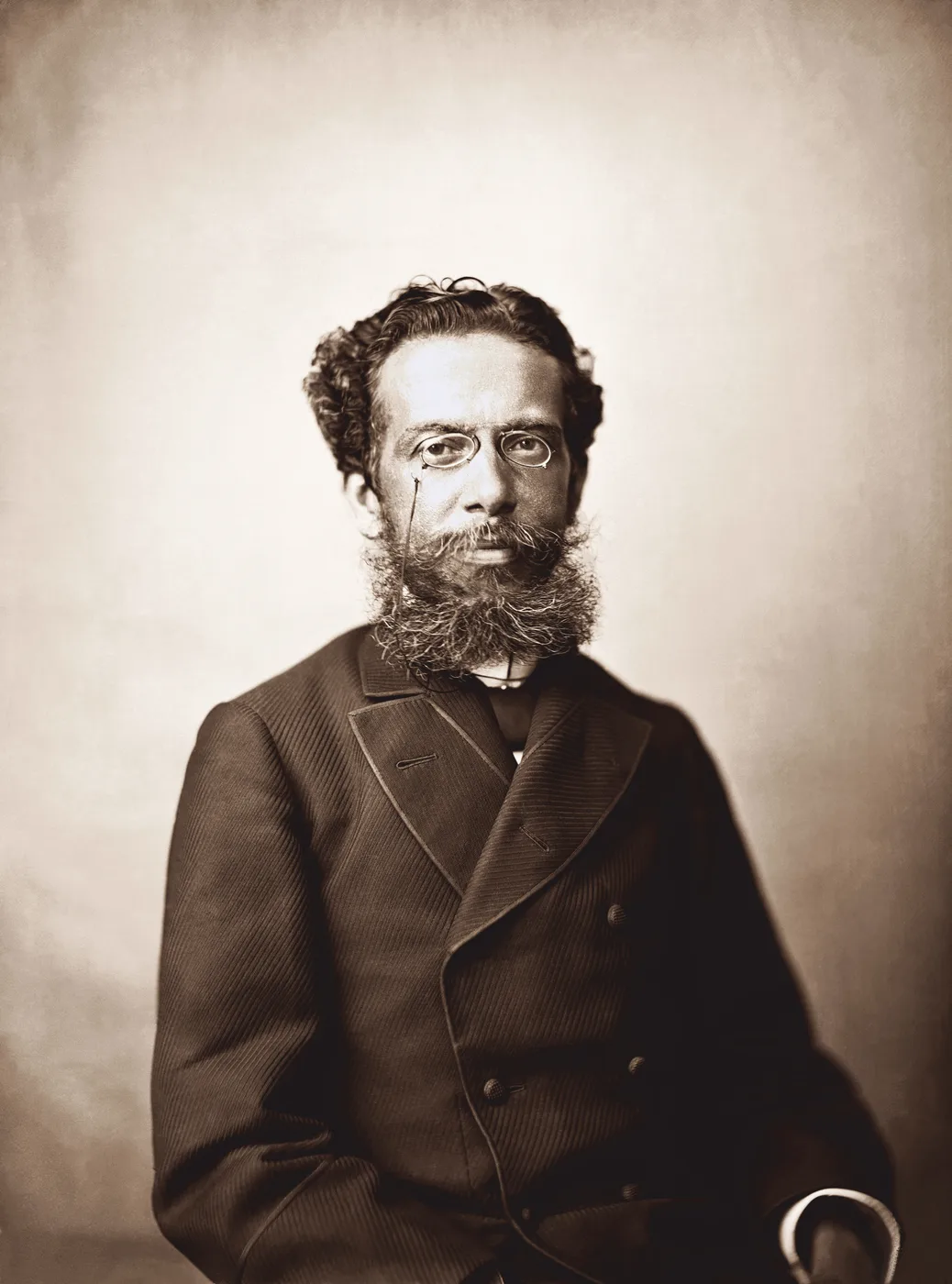
Memórias Póstumas de Brás Cubas is a 1881 novel by the Brazilian writer Machado de Assis, and Wikipedia calls it one of the greatest works of Brazilian literature. Its trick is in the first lines: the narrator is already dead, so he can look back on his mistakes and failed romances and criticize Brazilian society without remorse or fear of retaliation. He dedicates the book to the worm that first gnawed his corpse. It stays alive because the joke is also an argument about vanity, ambition and self-deception, told in a voice that still sounds close and amused; Woody Allen also remarked that it is a thin book.
Instead of the clear, logical construction of a normal nineteenth-century realist novel, it uses very short chapters that shift in tone and style, with surreal metaphors and playful narrative devices. Wikipedia reports that it is remembered as a major influence on postmodern writers such as John Barth and Donald Barthelme, and on Brazilian writers of the twentieth century. Woody Allen, interviewed by The Guardian, said it was so modern that you would think the author wrote it yesterday. The book also mocks Positivism through Quincas Borba’s invented doctrine of Humanitism.
Notice how often the narrator turns to the reader, and how a chapter can be a single joke or a single gesture. Notice, too, who is treated as furniture. Brás grows up beating the heads of the slaves in his house, and the book lets him describe this with ease; the reader is left to judge. Wikipedia also notes the influence of Schopenhauer on its pessimistic logic. For readers of Vietnamese the book arrives as the site’s own translation of the Portuguese original. Content note: slavery, cruelty and an adulterous affair; no graphic scenes.
Introduction written for LitMundi with AI assistance and checked against the sources listed below.
Translation availability is still being researched. A draft is not evidence that no translation exists.
← Back to collection