
The Turn of the Screw
English
The Turn of the Screw · English, Project Gutenberg #209
ReadHenry James · 1898
A young governess takes charge of two orphaned children at a country house, and begins to see figures that no one else admits to seeing.
On Christmas Eve, a group by a fire hears a manuscript read aloud: the account of a governess sent to Bly, a country house in Essex, to look after Miles and Flora, whose uncle wants nothing to do with them. Soon she sees a man and a woman who should not be there, and the housekeeper’s answers make her fear for the children. James serialised it in Collier’s Weekly in 1898, and readers have argued ever since over whether the ghosts are real.
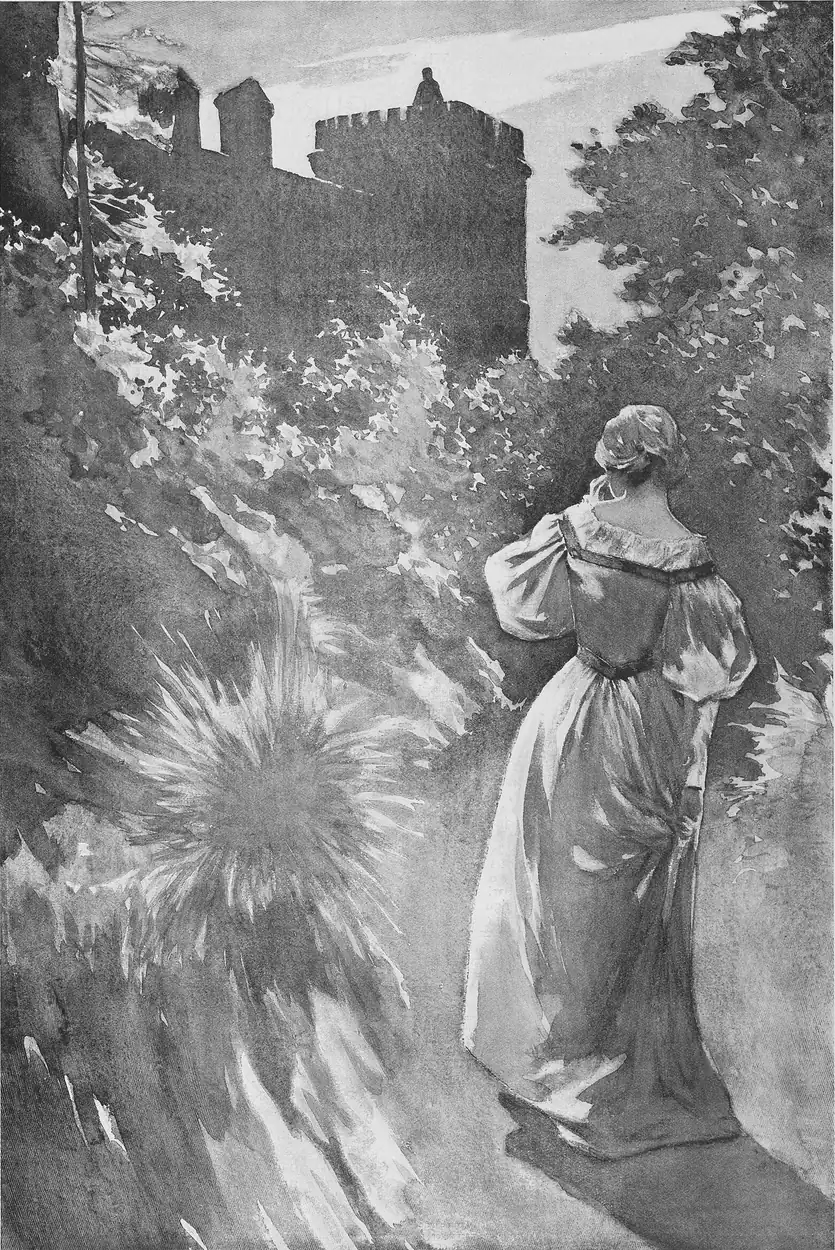
The Turn of the Screw is a ghost story of about a hundred pages that stays unsettling because it refuses to settle. A governess, who is never named, writes down what she saw at Bly; everything we know comes through her, and a prologue by someone else hands us the manuscript. Was she watching real apparitions, or building them out of fear and desire? James gives you enough to argue either way and not enough to close the case. That is why it is still taught, still reread, and still adapted: the unease is built into how the story is told, so it does not wear out.
Its first readers met it in twelve weekly parts in Collier’s Weekly, from 27 January to 16 April 1898, and it came out in book form that October in The Two Magics. In 1934 Edmund Wilson argued in an essay that the ghosts were hallucinations of a sexually repressed governess, a Freudian reading that set off decades of dispute; critics replied that other characters seem to recognise what she describes. The story has since become an opera by Benjamin Britten (Venice, 1954), a stage play, and Jack Clayton’s film The Innocents (1961).
Watch how James withholds. The governess often reports what she felt before she says what she saw, and conversations with the housekeeper, Mrs Grose, tend to stop where a fact should begin. Notice what the children say and what they carefully do not. Keep asking whose voice you are trusting, and why you trust it. The ending is built to leave the question open rather than answer it. Read slowly, and let the long, hesitating sentences do their work; they are part of the effect.
Introduction written for LitMundi with AI assistance and checked against the sources listed below.
Translation availability is still being researched. A draft is not evidence that no translation exists.
← Back to collection